Why raised beds outlive ground rows in a hard frost
Soil off the ground freezes and thaws on its own schedule, and that schedule decides what makes it to spring.
The ground does not freeze evenly
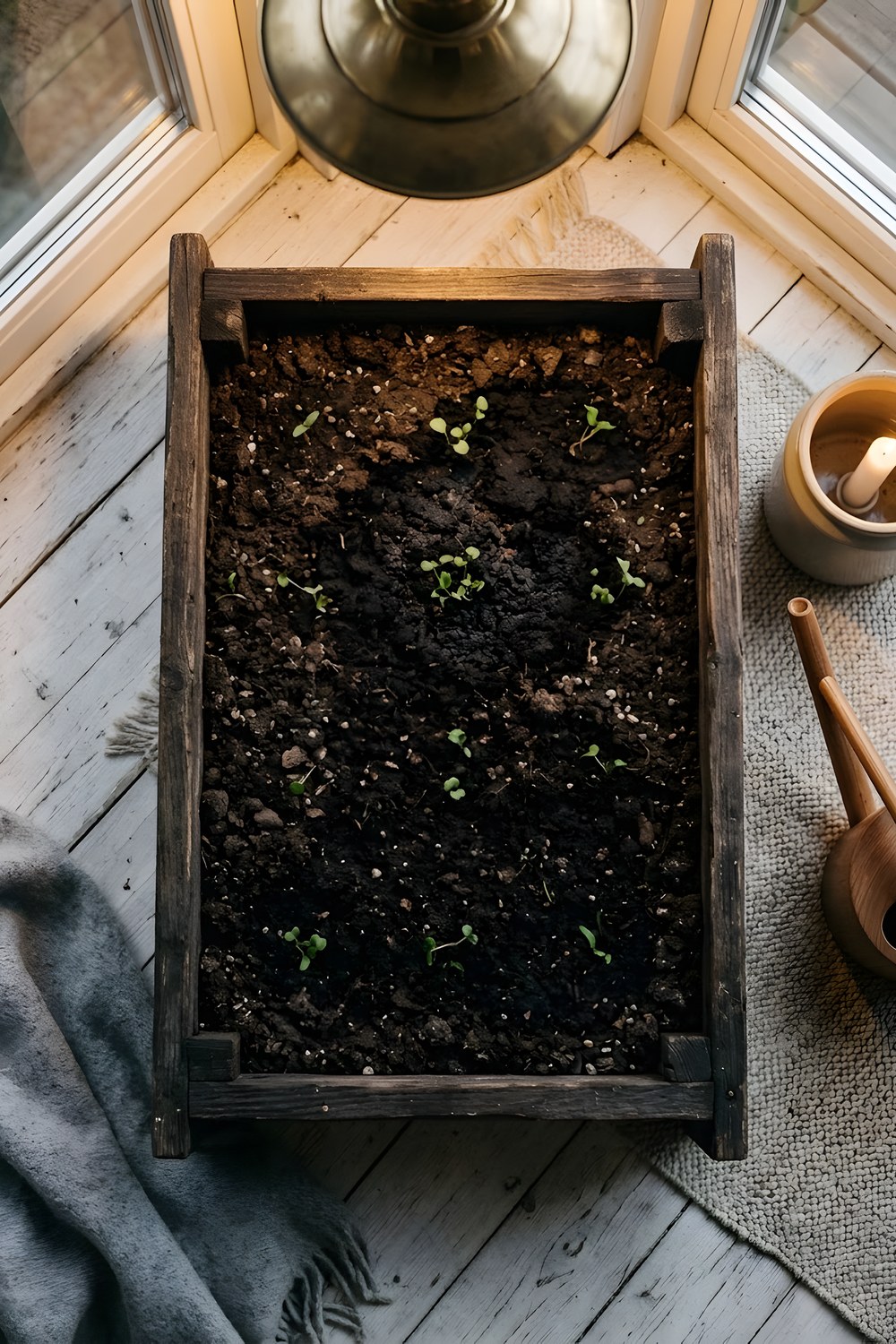
A garden bed set on legs, filled and watered under lamplight the way people do at the end of a September evening, is already behaving differently from a plot in the ground. Air moves under it. Raised soil loses heat faster on a clear night and warms faster once the sun returns, because it is not tied to the slow, deep mass of the earth below. That is a disadvantage in January and an advantage in March, when a gardener wants the soil to wake up early.
What frost does to wood and to roots
Seedlings that go in this late are a bet on a mild autumn, and the frame around them is doing quiet work too. Untreated softwood left damp against soil will darken and soften within a season or two, especially where water collects at the corners, the same corners where a watering can always seems to leave its mark. Cedar and certain hardwoods resist that rot far longer because their natural oils repel the fungi that break wood down, not because the wood is thicker or the joints tighter. A frame built with legs, lifted clear of standing water, sidesteps the worst of this simply by not sitting in a puddle every time it rains.
The damp patch that matters more in October
That one dark patch of freshly watered soil, visible even by lamp, is worth noting for a different reason. Late in the season, overwatering is the more common mistake, not underwatering. Cooler air slows evaporation, so a bed that needed daily water in July can rot its own roots on the same schedule in October. Watering by the calendar stops working once nights turn cold; watering by the look and feel of the soil starts to matter more than it did all summer.