What clay pots actually need before the first frost
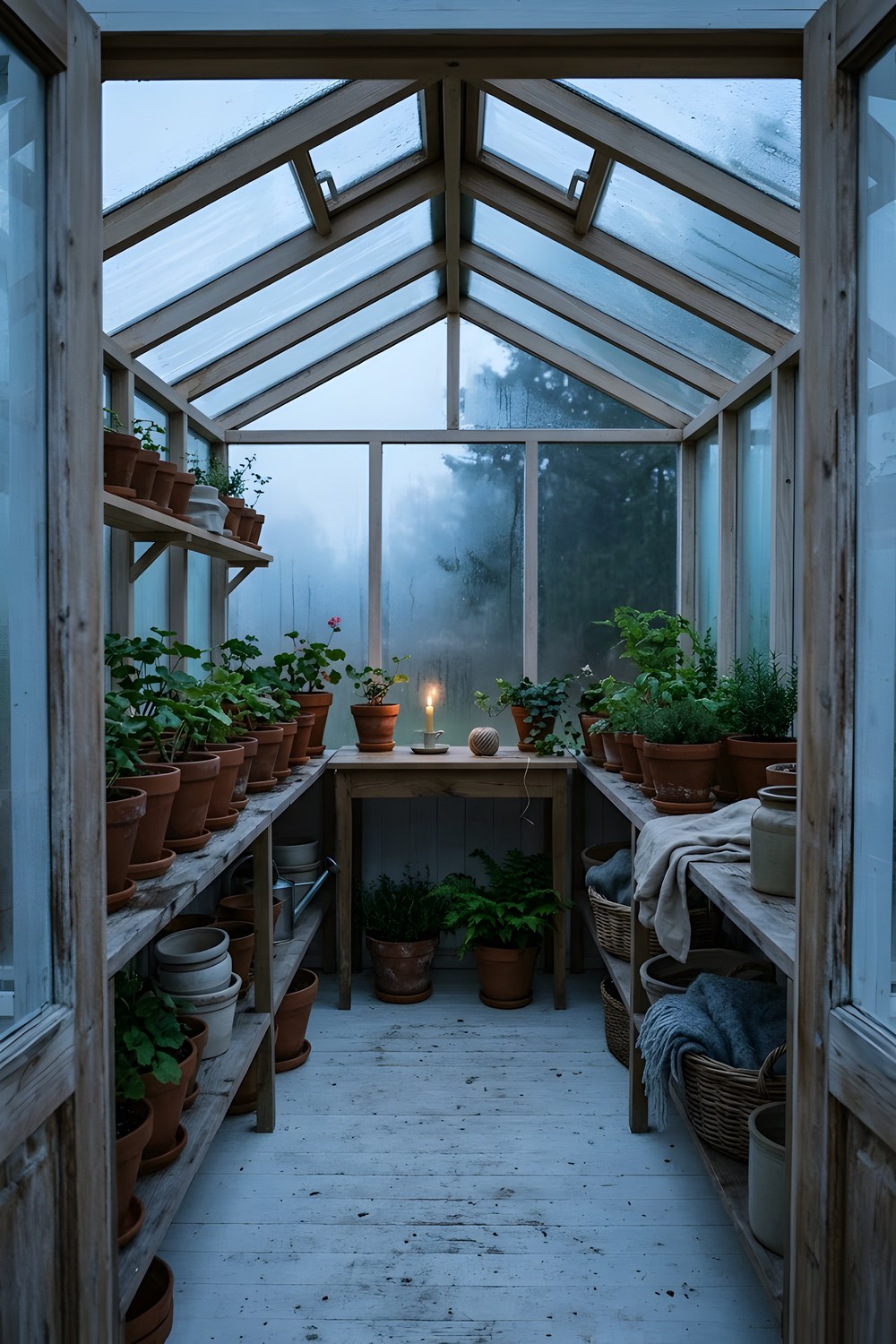
A greenhouse full of clay pots at dawn looks settled and safe, but most of what fails over winter fails quietly, weeks before anyone notices.
The mistake with clay
Clay pots read as sturdy, and in a warm season they are. The trouble starts once temperatures drop below freezing overnight. Clay is porous, so it holds a small amount of moisture inside its walls even when the pot looks dry. That moisture freezes, expands, and pushes outward against the clay. One cold night rarely does damage. A whole season of freeze and thaw, freeze and thaw, is what splits a pot down the side, often on the shaded row where the sun never quite reaches to dry things out.
The usual fix people reach for is bringing every pot indoors, which is not always practical and not always necessary. What actually matters is keeping the clay dry going into the cold months. A pot that is empty, or nearly empty, and kept off a wet floor, survives winters that would crack the same pot sitting in a puddle of runoff. Raising pots on anything that lets water drain through, even a few scraps of wood, changes the outcome more than the material of the pot itself.
Reading a room by its light
The hour just before sunrise is a useful time to walk through a glass structure, because the flat blue light shows condensation patterns that direct sun would burn off within minutes. Fogged panes near the door usually mean warmer, damper air is meeting the coldest glass in the room, which is often the first place frost forms on the inside. That pattern is worth noting in early autumn, because it marks the spots where whatever is stored nearby will feel the cold first, regardless of what the middle of the room reads on a thermometer.
None of this calls for special equipment. It calls for paying attention to where water sits and where cold gathers, then working with those two things instead of against them.