What October Wind and Dew Do to a Lawn Ghost
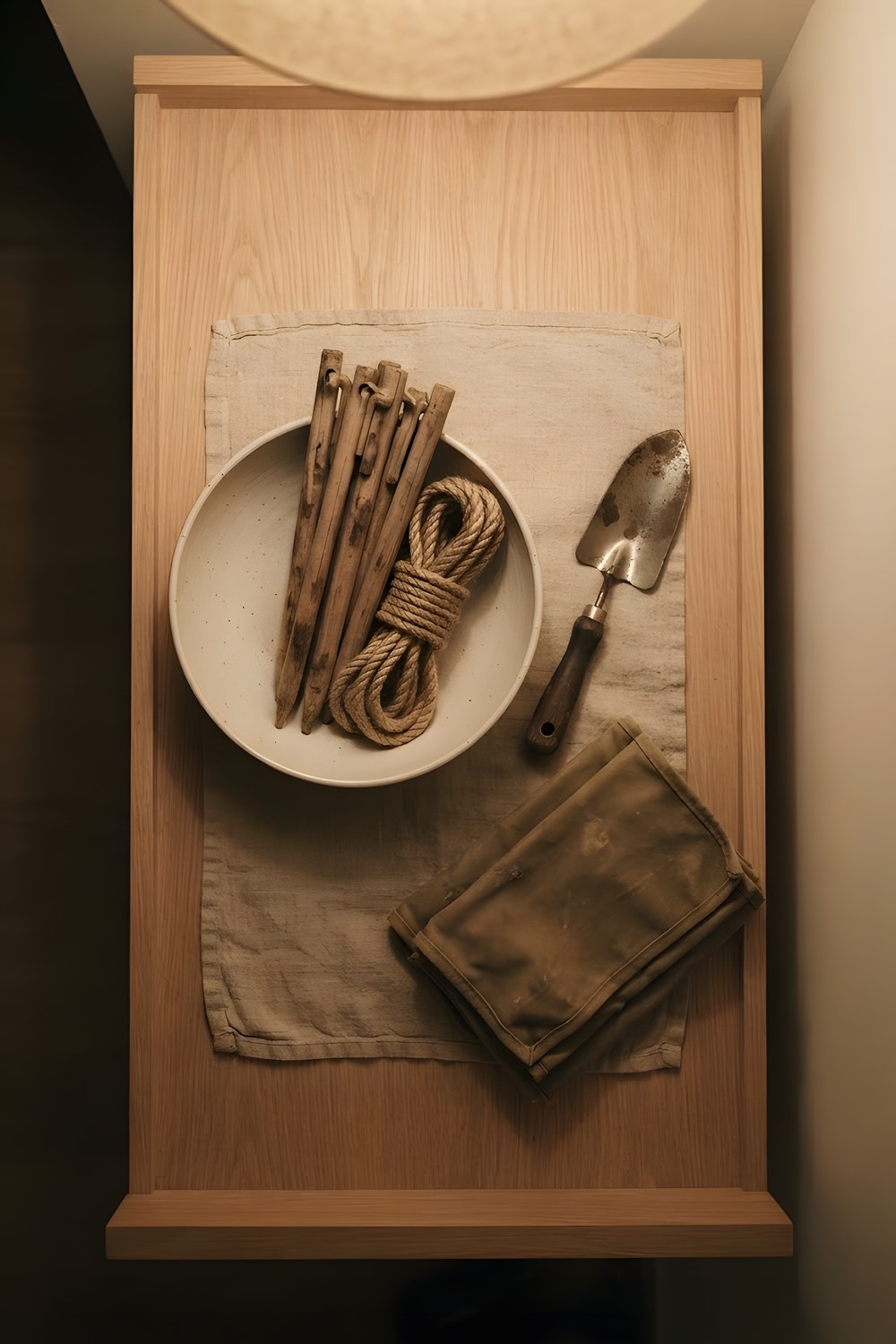
A figure of thin fabric and a small fan faces a different month than it did in summer. Here is what late October changes about anchoring it, keeping it dry, and putting it away.
The wind arrives before the rain
An inflatable figure is a few square yards of thin polyester held up by a small fan, which makes it a sail with a face. In September the air is usually still enough that it stands on its own. By late October, in a dry year, gusts come down the slope at dusk, and a figure that was fine in summer starts to lean and tug at its tethers.
The weak point is rarely the fabric. It is the stake. Wooden stakes grip well in firm soil and badly in soil that has just been watered or rained on. Drive them at a slant, leaning away from the direction of pull, and set them a body length or more from the base so the line runs at a low angle. A tether tied near the top of the figure will tip it over. Tied low, it holds it down.
Dew is the quiet problem
Even on clear nights, the temperature drop in October is enough to leave a film of dew on everything outdoors. Fabric that stays inflated overnight collects it on the outside, and the fan keeps pulling in damp air to fill the inside. Natural fiber rope behaves the same way: it swells when wet and shortens as it dries, so a line that was snug at dusk can be slack or painfully tight by morning.
None of this does harm if the figure dries out afterward. It does harm if it is folded away wet. Damp polyester sealed in a bag grows mildew along the seams within days, and the spots do not wipe off. Unplug it, let it hang in open shade until the fabric is dry to the touch, and only then fold it.
Putting it away
The storage rules are plain. Canvas breathes, so a canvas bag suits a fabric that may still hold a little moisture. A plastic tub does not. Coil the rope loosely and dry rather than knotted, since knots hold water and rot first. Wipe soil off the stakes, because mud kept against wood is how it softens. Fold the fabric along the same lines each year so creases do not wear into holes at the seams.
Sunlight matters too. October light is low but still strong, and thin fabric left up all day fades faster than the same fabric lit only at night.