Why October is when a twice baked biscuit makes sense
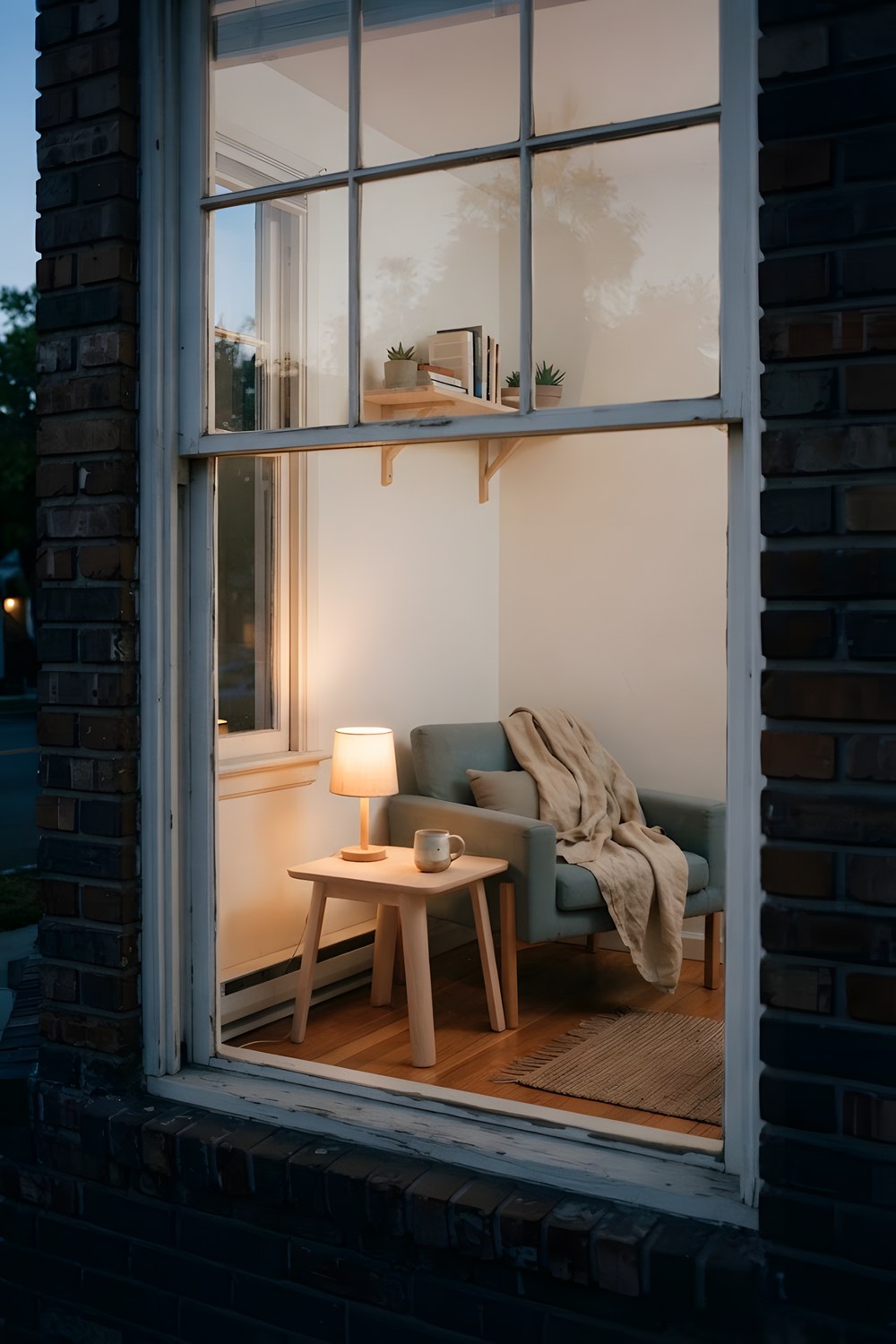
As the light drops earlier, the afternoon coffee turns into a smaller, quieter hour. A dry, crisp biscuit suits it for reasons that have to do with how it is made.
The lamp goes on sooner
Early October is when the day starts losing its late edge. Sunset moves earlier by a minute or two every evening, so by the time the afternoon coffee is made, the window already holds that thin orange light. The lamp comes on at five instead of seven. The coffee has not changed, but the hour around it has. It is shorter and quieter, more of a pause than a break.
What twice baked actually means
The word biscotti comes from the Latin for cooked twice. The dough is shaped into a log and baked, then sliced while still warm and baked again on the cut sides. That second bake drives out moisture. Classic recipes use little or no butter, which is why the slices are hard, and why they keep for weeks in a closed tin.
The hardness is the point. A soft cookie collapses in a hot mug. A biscotti takes up coffee slowly, softening about a finger’s width at the tip while the rest stays crisp. Three or four seconds in the cup is usually enough.
Chocolate versions work in two ways. Cocoa in the dough gives a darker, slightly bitter crumb that sits well beside coffee. Chips soften at the dip and can smear a little at the edge of the mug. Which one you prefer is a matter of taste, not measurement.
A small autumn habit
In a flat with one shelf and a small fridge, a dry biscuit has a practical side. It needs no cold storage and does not go stale by Thursday. A tin on the counter is enough.
There is also the pairing. As the weather cools, coffee tends to get darker and hotter, and a bitter roast likes something with a little sweetness and a lot of crunch. A dunked biscotti gives you both in one bite, and then the mug is empty and the lamp is the only light left on.