Why wrapped gifts pile up unopened until January
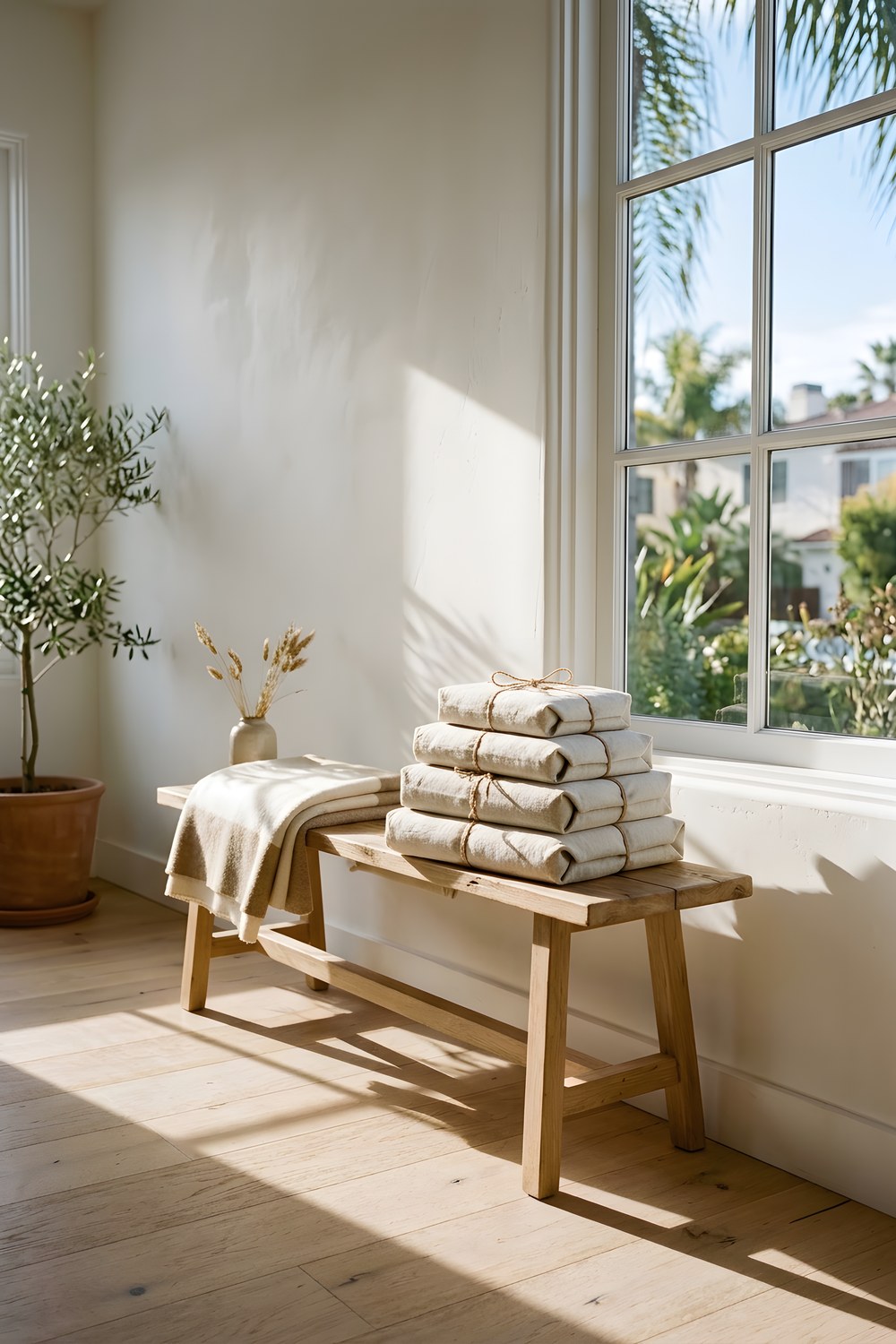
A stack of tied parcels looks finished, but most households do not have a plan for what happens after the paper comes off. The mistake is in the wrapping, not the gift.
The mistake most people make
A bench full of neatly wrapped parcels is a satisfying sight, but it hides a common error: people wrap gifts before deciding where each one will actually live in the house. The result, weeks later, is a drawer of things still in their gift bags, or a shelf holding an object nobody has found a place for. The wrapping stage is treated as the finish line, when it is really just the start of a longer question about storage and use.
The fix is small and happens before any twine gets tied. Ask, for each item, what it replaces or where it goes. A gift that does not answer that question tends to sit out on a counter for a week, then migrate to a closet, then disappear. A gift that has an obvious home, a hook, a shelf, a drawer already cleared for it, gets used because using it takes no extra thought.
What to do instead
Before wrapping, walk the item to the spot in the house where it will live and see if that spot exists yet. If it does not, the better gift might be the container or the shelf that makes room for it, not the object itself. This is why plain, undyed materials work so well as wrapping: they do not compete with the gift for attention, and they do not need to be saved or displayed afterward, which removes one more decision from the recipient’s list.
The twine matters too, more than it seems. A parcel tied so it can be untied and reused, rather than torn, signals that the giver expects the string, and sometimes the object inside, to have a second life. That small signal changes how a gift gets treated once the afternoon is over. A bench full of parcels looks the same in every photograph. What separates a good gift season from a cluttered one is whether anyone thought about the shelf before they thought about the bow.