Why the first hour of light is the best time to read
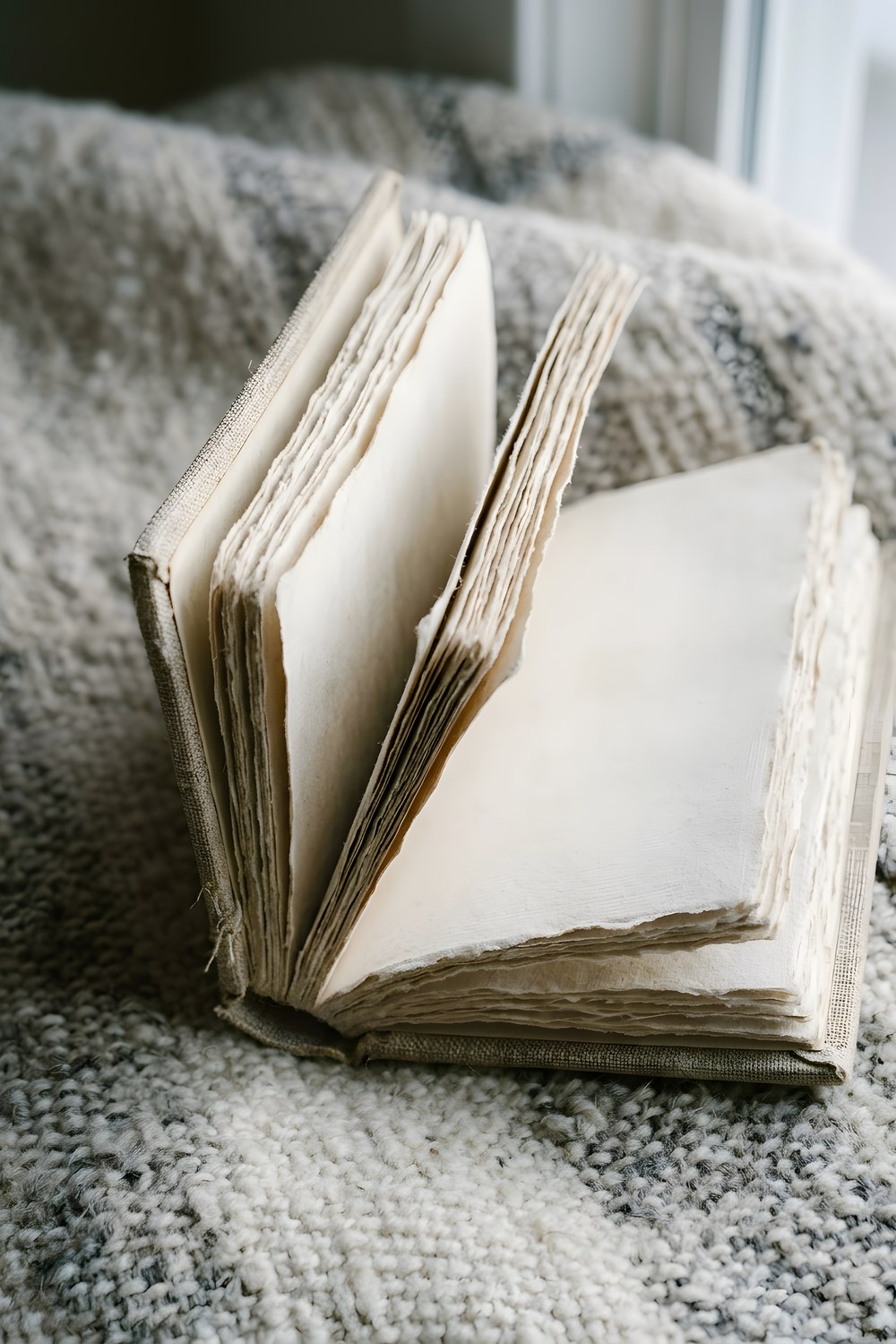
Before the day fills with noise, early light changes how the eye moves across a page. That short window is worth noticing, especially as the year turns toward shorter mornings.
What early light does to paper
A page under direct overhead light tends to glare, especially with glossy or heavily bleached paper. Low, angled light, the kind that arrives just before sunrise, is diffuse and warm rather than harsh. It falls across the surface of the page instead of bouncing straight back at the eye. Older printing methods and uncoated paper stocks, the sort found in many linen bound editions, were suited to exactly this kind of light. That is part of why worn, softened pages often read as more comfortable than freshly printed ones under bright artificial light.
The seasonal shift
In September the gap between waking and full daylight starts to widen again after the compressed mornings of summer. In much of the country, and especially somewhere like Southern California where the sun rises later each week from here into autumn, there is a real stretch of gray blue light before the room fills with color. That stretch shortens the closer the calendar gets to the shortest days, then widens again after the turn of the year. Noticing it now, while it is still generous, is the point. By December it will be a much smaller window, and reading in it will mean reading mostly by lamp instead of by the sky.
A small, correctable habit
Most people read at night, after the day’s decisions are already made, which is when attention is at its lowest. Early light reverses that. The mind has not yet been asked to solve anything, so a page gets a kind of attention it rarely gets at ten at night. This has nothing to do with willpower and everything to do with when in the day the reading happens. A ten minute shift, earlier rather than later, is the entire adjustment involved.