How to choose loose tea leaves that actually taste like something
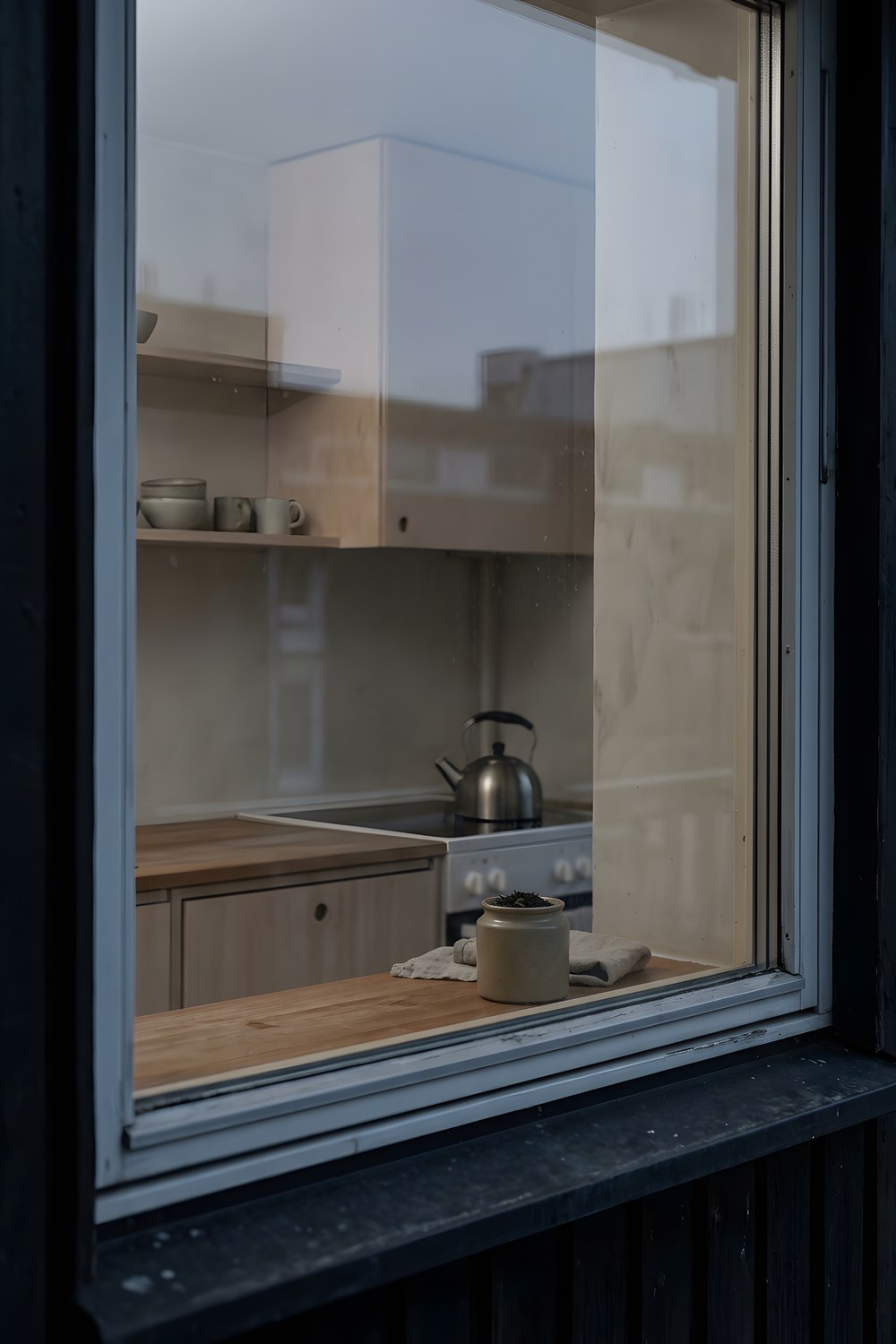
A jar on the windowsill only earns its place if what is inside it tastes like more than hot water. Here is what separates a leaf worth keeping from one that should go in the compost.
Look before you steep
Hold the jar up to the gray morning light before the kettle even goes on. Good leaves are whole or broken into large pieces, not crushed to dust. Dust brews fast and bitter because there is more surface area exposed all at once, which sounds like a good thing until you taste it. Whole leaf tea unfurls slowly, releasing flavor in layers instead of dumping it all in the first thirty seconds.
Color tells you more than the label does. A black tea should look nearly black with maybe a few golden tips, not brown and flat. A green tea should have some variation, not one uniform shade, which usually means it was processed in a single rushed batch rather than sorted by hand.
Smell it dry, not just wet
This is the part most people skip. Open the jar and smell the leaves before any water touches them. A tea that smells like cardboard or nothing at all will taste like cardboard or nothing at all once steeped. Fresh leaf, even dried, should smell like something specific: hay, cocoa, stone fruit, smoke. If the jar smells like the inside of a paper bag, the tea has already lost most of what made it worth drying in the first place.
Size and shape are not decoration
Rolled or twisted leaves last longer on the shelf than flat, open ones because there is less surface exposed to air. If tea sits in a jar on a sill for weeks, which it will in a one room kitchen, rolled leaf holds its character better. Flat leaf is fine if it gets used within a month, but it fades fast once the seal is broken.
Buying loose leaf in small amounts, enough for a few weeks rather than a few months, is not a compromise. It is the only way to guarantee the jar on the sill still has something to say by the time the kettle finally goes on.