How to tell a good bar of soap from a poor one
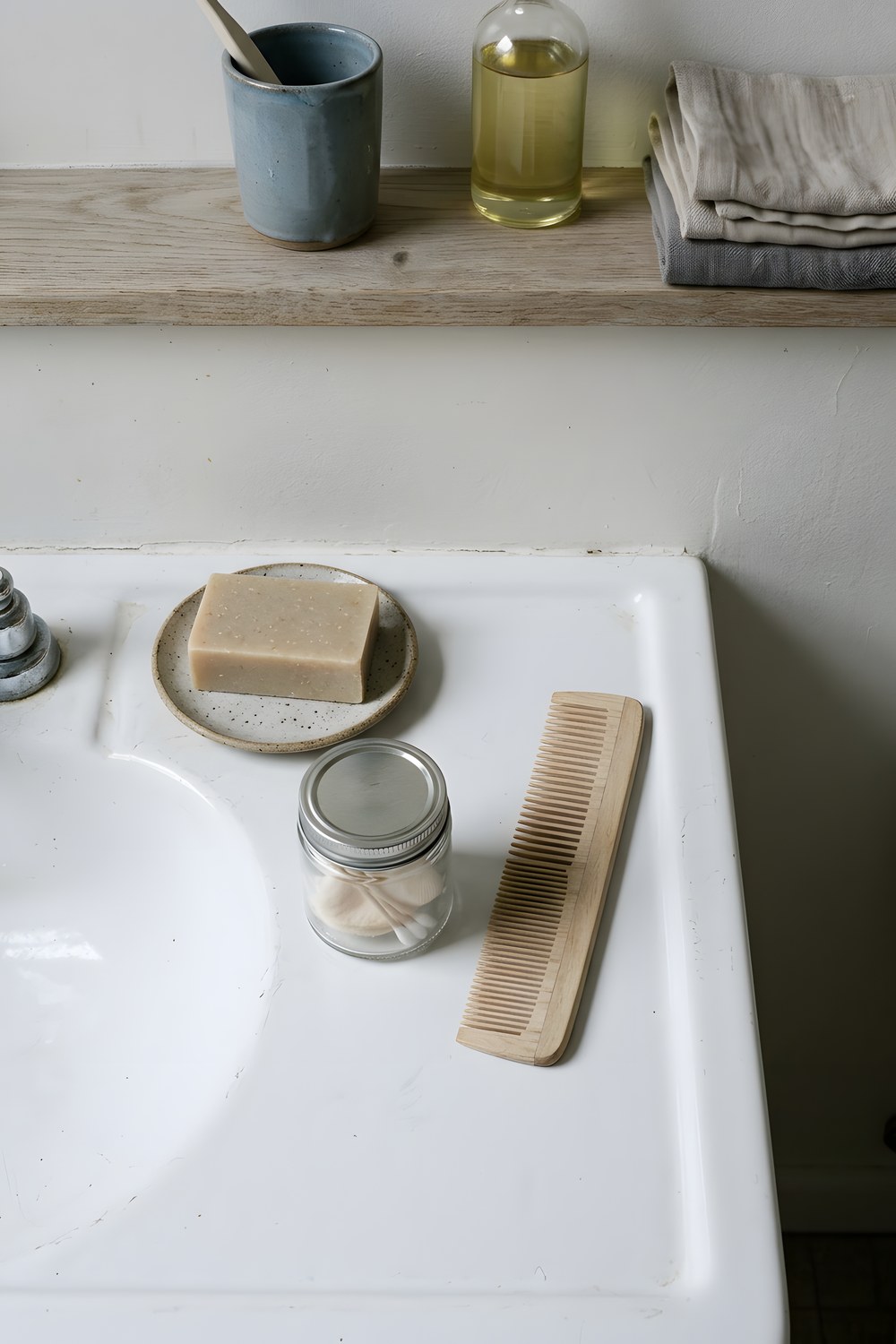
A bar left out on a bathroom sink tells you more about its quality than any label does. Here is what to look for before it goes soft and slumps into a puddle.
Read the label like a list of proportions
Most bar soap sold cheaply is made by melting a premade base and pouring it into a mold, which is why the ingredient list is often short and vague. A better bar usually names actual fats and oils near the top, things like olive, coconut, or shea, followed by sodium hydroxide, which is the substance that turns fat into soap through saponification. If sodium hydroxide is not listed at all, the bar was likely never made from raw ingredients, just remelted and scented. That is not automatically bad, but it is a different product than one made from scratch.
Weight, hardness, and how it survives water
Pick it up if you can. A dense, heavy bar has usually cured longer, sometimes four to six weeks, which lets excess water evaporate and the soap harden. Soft, light bars dissolve fast and turn to mush within days on a wet sink edge. Curing time is not marketing language, it is a measurable difference you can feel in the weight against the size.
What the scent is actually doing
A bar scented with essential oils will fade gradually and smell slightly different bar to bar, since natural extracts vary by batch. A bar scented with synthetic fragrance oil will smell identical every time and hold that smell much longer, sometimes for the entire life of the bar. Neither is wrong, but they are not the same choice, and a bar that claims to be natural while smelling perfectly consistent is worth a second look at the label.
Where the small jar and comb fit in
Next to the soap, a small glass jar of something like balm or salt behaves the same way. If the fat listed is coconut oil, expect it to firm up below room temperature and soften again once the bathroom warms. A wooden comb, meanwhile, is worth choosing by how it was finished. One left rough will snag; one sanded smooth at the tips will not, and that is something you can check with a fingertip before anything else.