Why cardamom smells like a bakery before you see the ovens
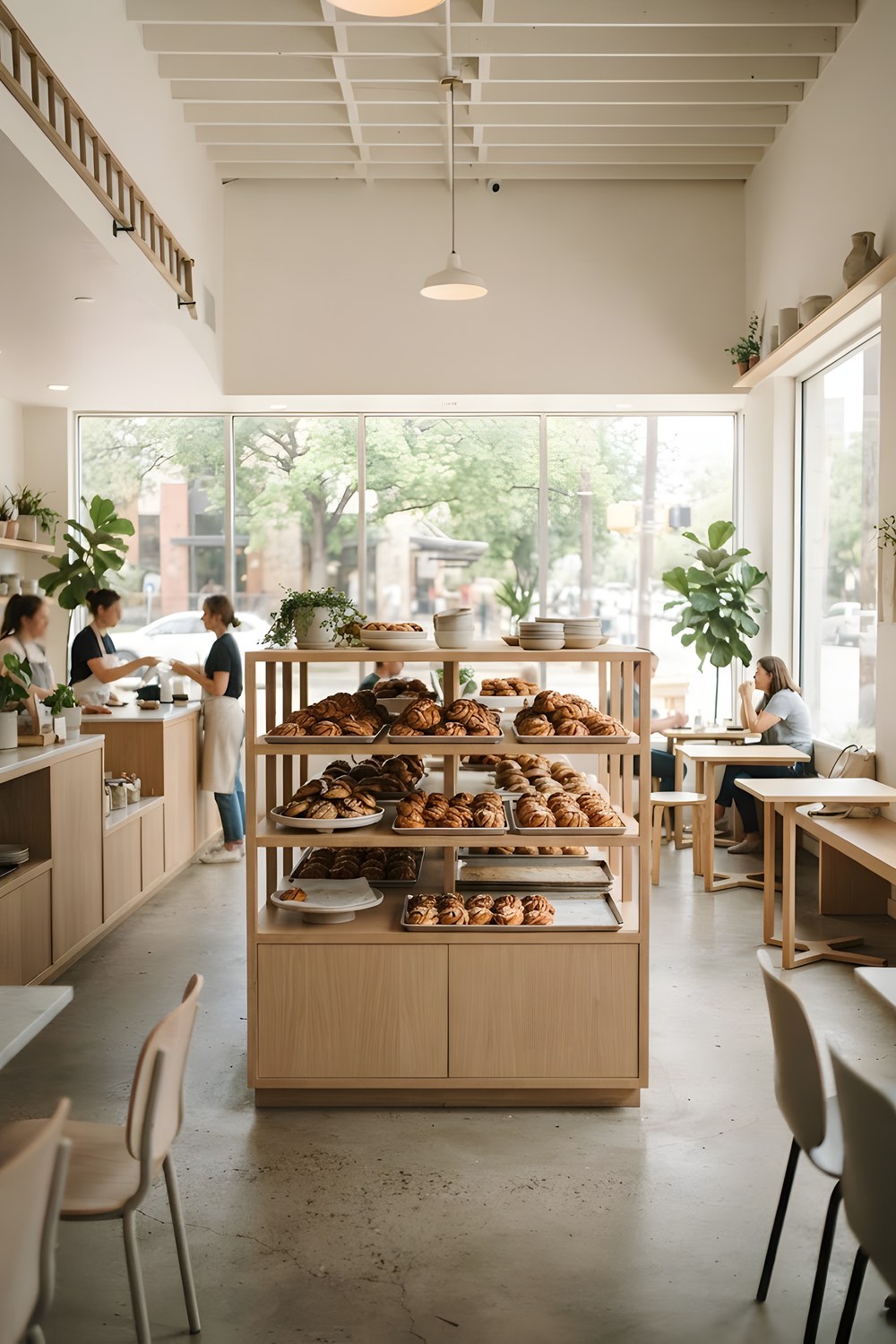
The scent that hits you at the door is not an accident of baking. It is a spice built to travel through air the moment heat opens it up.
The seed does the work early
Cardamom pods hold their oils inside tight green shells, and those oils are volatile, meaning they turn to vapor fast once warmed. Ground cinnamon or vanilla release slowly and mostly on the tongue. Cardamom releases in the oven within the first few minutes, which is why a room full of buns can smell finished long before a single tray comes out. The compound doing most of that work is cineole, the same one found in eucalyptus, and it is sharp enough to cut through yeast and butter and still reach a doorway.
Why bakeries lean on it instead of cinnamon
Cinnamon needs sugar and heat to read as anything more than dust. Cardamom does not. A pinch in a dough carries even before baking, which is why bakers use it as the base note in a bun rather than a topping. It is also why a whole tray of identical buns can smell different depending on how long ago they came out. Fresh cardamom fades over hours, not days, so a bakery that smells strong at eleven in the morning is telling you something about its baking schedule, not just its spice cabinet.
What this means at home
Ground cardamom loses its oils fast once opened, often within a couple of months, while whole pods keep for closer to a year in a sealed jar. If a jar in your own cabinet has stopped giving off any smell when you open the lid, it is not going to do much in a dough either. That is not a matter of taste. It is chemistry that has already run its course.