What outdoor seating actually survives a winter outside
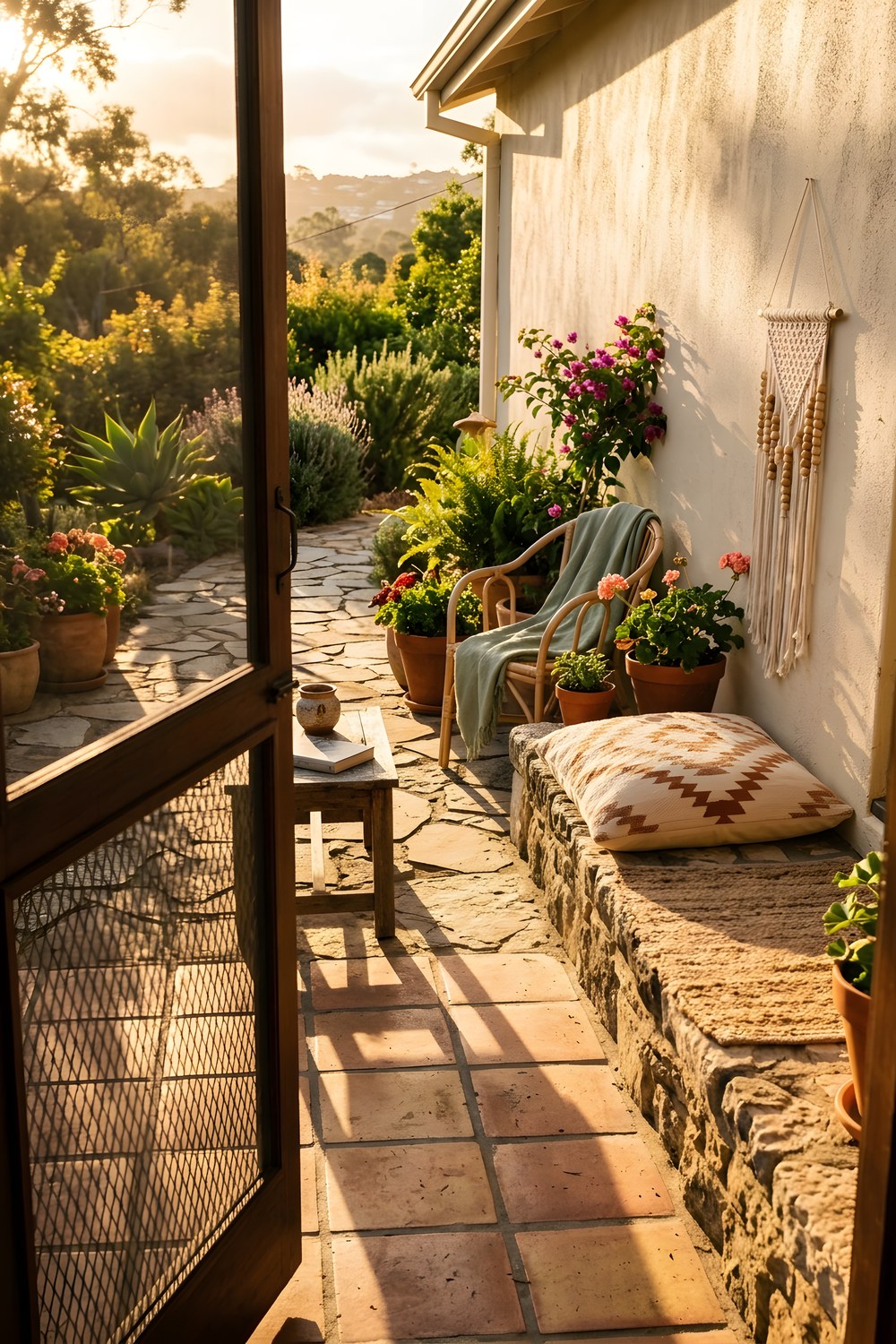
As patio season tips into fall, the cushion goes in and the bench underneath finally shows what it is made of.
The light gives it away
Late afternoon sun does something honest to a patio. It flattens the color out of anything painted or coated and shows the bones underneath. This is the season to notice, because the furniture that looked fine in July starts telling on itself in September, once the cushions come off and the frame sits alone against the wall.
Why metal outlasts what looks cozier
Woven and wood pieces read as warmer in a photograph, but wicker unravels where the strands flex, and untreated wood pulls in moisture at the joints, the first place anything fails. Powder coated steel does something simpler. It does not have joints to swell or fibers to fray, only a painted surface that has to resist rust where water sits. The failure point moves from the structure to the coating, which is a much smaller thing to worry about and a much easier one to fix with a can of touch up paint if a chip ever shows.
The freeze thaw problem nobody mentions
The real danger to outdoor seating is not the cold itself but the cycle of freezing and thawing that follows any rain or dew through late fall. Water gets into a seam, freezes, expands, and loosens whatever held it together. Solid metal construction has fewer seams for water to find in the first place, which is the quiet reason it tends to still be sound in spring while assembled pieces have come apart at the screws. None of this shows up in a summer photograph. It only shows up months later, when someone goes to sit down and something gives.
A stone patio does not care what sits on it. But whatever sits on it through the coming months will be doing its most important work in the dark, in the rain, mostly unseen.