Why short reads suit early mornings better than long ones
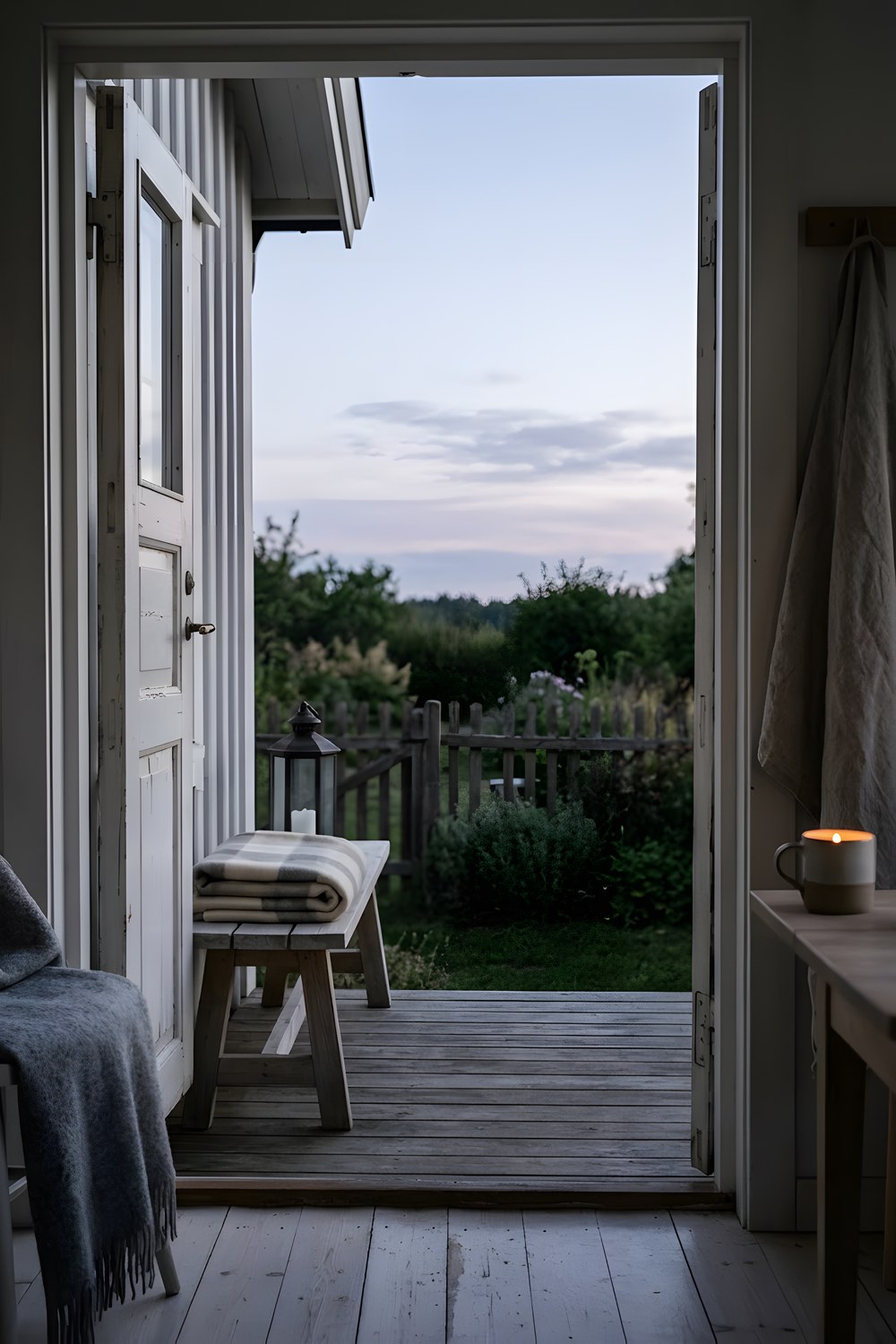
As mornings turn dark and cold again, the case for a book that fits in a coat pocket and a single sitting.
The clock changes what a book can hold
Once autumn arrives and the light before work thins to almost nothing, most people lose their longest reading window without noticing it. A summer evening on a porch might absorb two hundred pages without complaint. A dim kitchen at half past six, before the kettle finishes and the house wakes up, absorbs about ten. This is not a failure of discipline. It is arithmetic. The reading habit does not disappear in fall; it just needs a shorter unit of measure.
Length as a form of honesty
A book under a hundred pages, built around short numbered chapters or principles rather than a single unfolding argument, is honest about this. It does not ask to be remembered across three weeks of half finished sittings. Each section can be closed at its own edge, the way a paragraph ends at a period rather than mid sentence. That structure matters more in September and October than in July, because the reading now competes with an earlier alarm, a colder floor, and less daylight to spare on either end of it.
What changes and what does not
What changes with the season is the container: a blanket within reach, a lamp instead of a window, five minutes instead of forty. What does not change is the reason anyone opens a short, principle driven book in the first place, which is usually not escape but a wish to think something through before the day starts making decisions for them. A book of that size does not promise to solve the year ahead. It promises only to be finished by the time the coffee is gone, which in a dark month is its own kind of relief.
The practical test for this kind of reading is not how it looks on a shelf but how it survives interruption. A short chapter closed at seven and reopened at seven the next morning should still make sense on its own. That is the real seasonal argument for brevity: not less to read, but reading built to match how little uninterrupted time October actually gives back.