How to tell a windowsill plant that will actually live
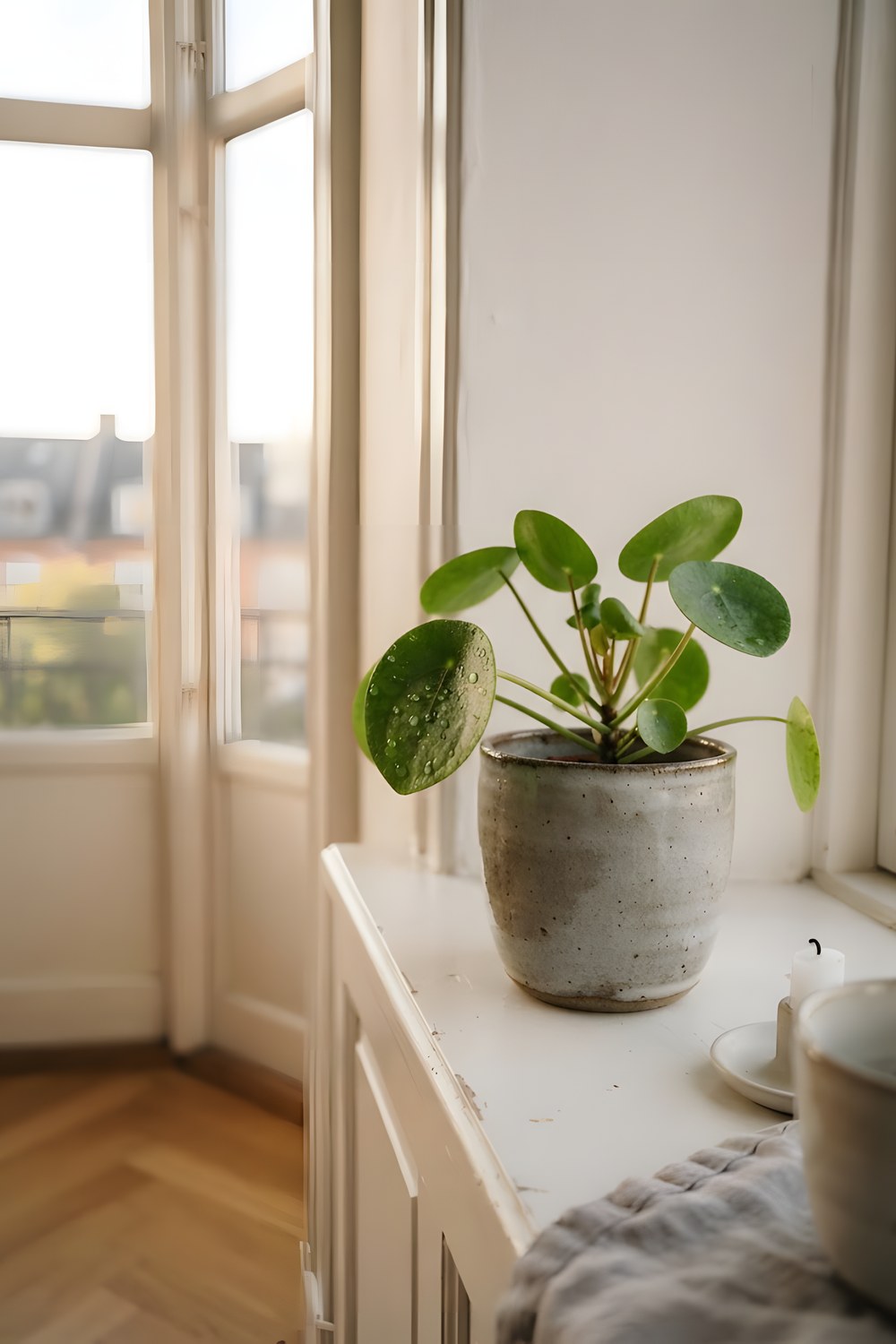
A leaf catching morning light looks the same in every photo. What separates a plant that lasts from one that gives up by November has more to do with roots and light than with looks.
Look at the roots before the leaves
A plant on a windowsill is judged by its top half, but the part worth checking is underneath. If roots are circling tightly around the base of the pot, pale and dense like a knot of string, the plant has been sitting too long in a container it outgrew. That is not fatal, but it means the first job at home is a slightly bigger pot, not a place on the sill. A plant with roots that still show some white tips and a bit of loose soil around them will settle in faster and need less fuss.
Match the plant to the window, not the window to the plant
A north or east facing window like the one in a small rented flat gives soft, indirect light for a few hours a mid morning. That suits plants that come from forest floors rather than open plains: a peace lily, a pothos, a fern in a bathroom with steam. A plant bred for full sun, the kind with thick, waxy leaves built to reflect strong light, will slowly stretch and thin in that same spot, reaching for something that never quite arrives. Reading the label for light needs before buying saves months of a plant quietly failing without any obvious cause.
Judge the leaf, not the dew
A single drop of water sitting on a leaf in the morning is condensation, not a sign of health one way or the other. What matters is the leaf itself: even color without yellow patches, no brown crisping at the edges, and new growth that is smaller and lighter than the older leaves rather than the reverse. A plant putting out fresh small leaves is actively growing. One with only old, large leaves and nothing new has likely stalled, and stalled plants are much harder to bring back than plants that are simply a little thirsty.
None of this is about finding the prettiest specimen at the shop. It is about picking one that has a working root system and a light situation at home that actually matches what it needs.