How to choose a coffee cup that actually earns a seat outside
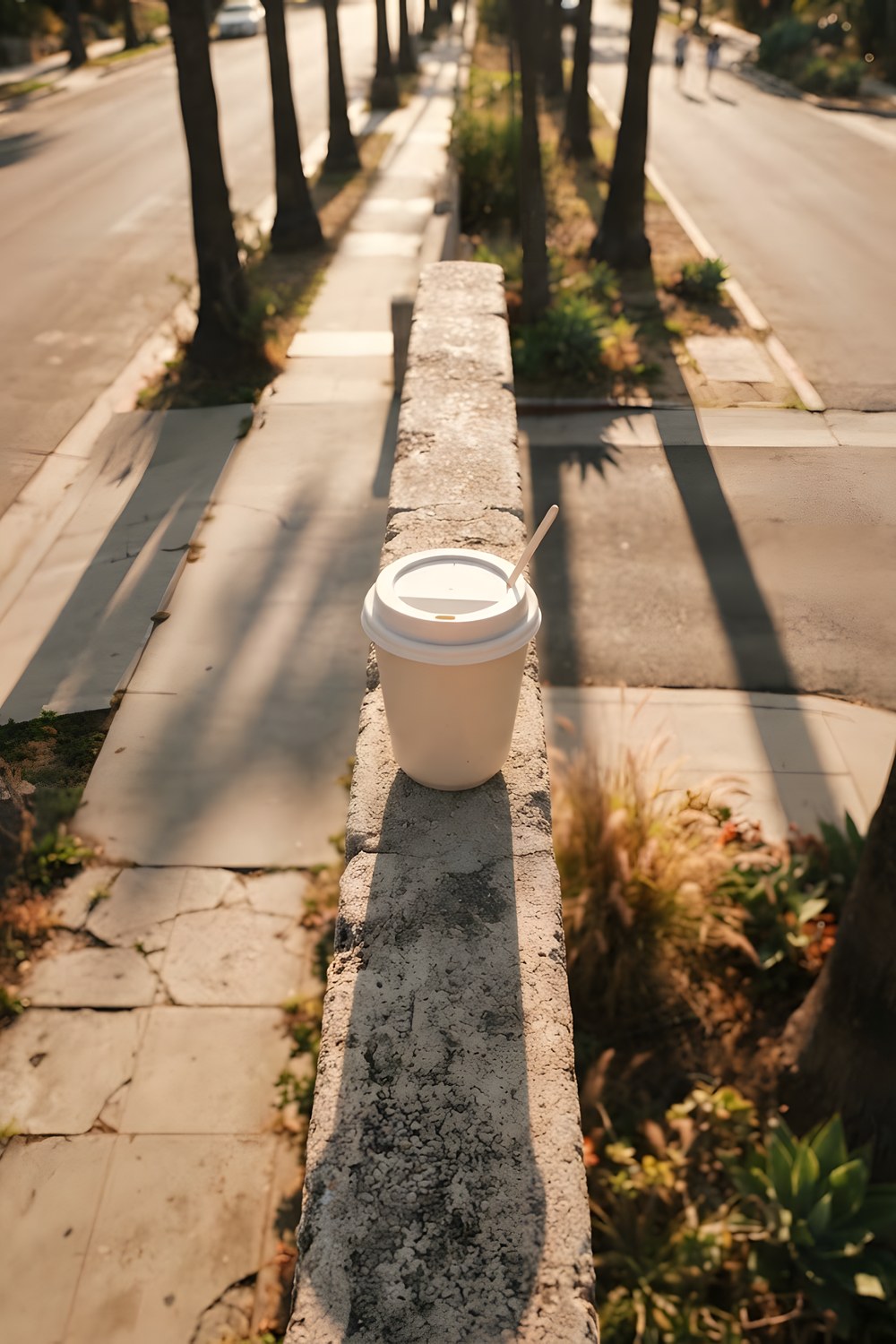
Not every cup survives a low wall, a warm sidewalk, and a walk back inside. Here is what separates the ones that last from the ones that end up in a drawer.
Weight tells you more than looks
Pick a to go cup up before anything else and notice the weight in your hand when it is empty. A cup that already feels substantial without coffee in it is usually stoneware or a thick double walled glass, and both hold heat well without turning the outside too hot to hold. A cup that feels light and thin, even if it looks nice in a photo, is often a single layer of plastic or thin ceramic, and it will either burn your fingers or let the coffee go cold within ten minutes on a warm ledge.
The lid decides whether you trust it on a wall
Setting a cup down on a low wall along a street, even for thirty seconds, means trusting the lid. Look for one that clicks into a groove rather than one that simply rests on top by friction. Silicone gaskets around the rim of the lid are a small detail that matters more than the print on the cup, since they are what stop coffee from finding the one angle at which it leaks. If a lid wobbles when you press on it in the shop or in a picture, assume it will wobble on the wall too.
Base and rim, the two edges people forget
A good cup has a base wide enough that it does not tip on uneven stone or brick, which is common on older sidewalks. Run a finger around the rim as well. A rounded, slightly thick rim is a matter of taste for some drinkers and a real comfort issue for others, since a thin rim can feel sharp against the lip after the first few sips. None of this is about the color or the finish, which is where taste is free to do whatever it wants. It is about whether the cup still does its job after it has been picked up, set down, and picked up again a dozen times before the coffee is gone.