How to Choose Stoneware That Earns a Shelf
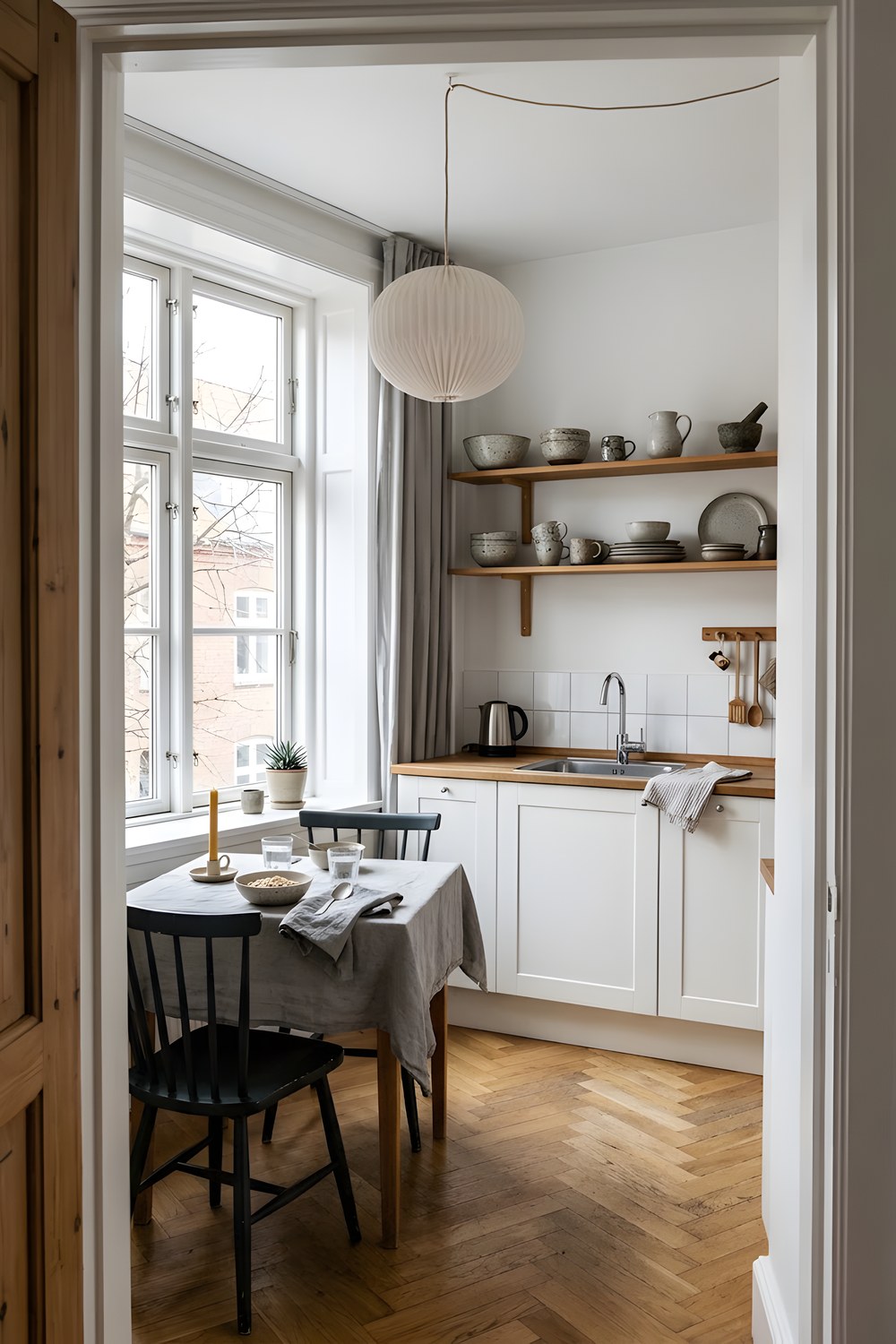
A small shelf holds only so many bowls, so each one has to work harder than the last. Here is what separates a bowl worth keeping from one that ends up at the back.
Weight in the hand tells you more than the glaze
Pick up a bowl before you look at its color. A good stoneware piece has heft without being clumsy, a base that sits flat and does not rock on the counter. Thin, light bowls chip at the rim within a season. Thick, dense ones survive years of stacking and unstacking on a single narrow shelf, which matters most when storage space is a single row of open wood.
Run a thumb along the rim too. It should be smooth and slightly rounded, not sharp. A sharp edge is usually a sign the piece was fired once and never refined, and it will chip the first time it meets a metal spoon.
Color and glaze are a matter of taste, fit is not
Oatmeal, grey, and unglazed clay all read as calm in a white room with soft northern light, and none of them is objectively better than another. What is not a matter of taste is whether the bowls actually nest. Before choosing a set, check the diameters against each other. A set that claims to stack but leaves a wobble at the top will slide when the shelf gets bumped, and a narrow kitchen nook does not forgive that kind of accident.
Test the base, not just the top
Turn a piece over. An unglazed footring means it can scratch a wooden shelf or a painted counter over time, while a glazed base protects both but can be slippery on tile. Neither is wrong, but knowing which one is underneath changes where it should live. A bowl bought for a quiet morning of oatmeal by a tall window should suit the counter it will actually sit on, not just the counter in a photograph.
The honest test of any piece is whether it still looks right after six months of daily use, not on the first afternoon it arrives.