Why skin feels tighter once the heating starts
As soon as the flat warms up for the season, skin often turns dry in a way that soap alone will not fix. Here is what actually happens and what helps.
What the season does to skin
Once the radiators or the oven start running more, the air inside a small flat gets drier even as the weather outside turns damp. That drop in humidity pulls moisture out of skin faster than skin can replace it, which is why elbows, knees and hands often feel rough by late autumn even if nothing else has changed. It is not really about the cold air outdoors so much as the dry air indoors.
Shea and why it sits on skin
Shea comes from the nut of the shea tree and is mostly fat, rich in oleic and stearic acid. Because it is solid at room temperature and melts near body heat, it tends to sit on the surface of skin rather than sink straight in, forming a layer that slows down water loss. That is different from a light, water based lotion, which absorbs quickly but does not hold moisture in for long. Whether someone wants a heavier, slower balm or a fast absorbing lotion is a matter of taste and climate, not a measurement anyone can get wrong.
A small kitchen habit worth noticing
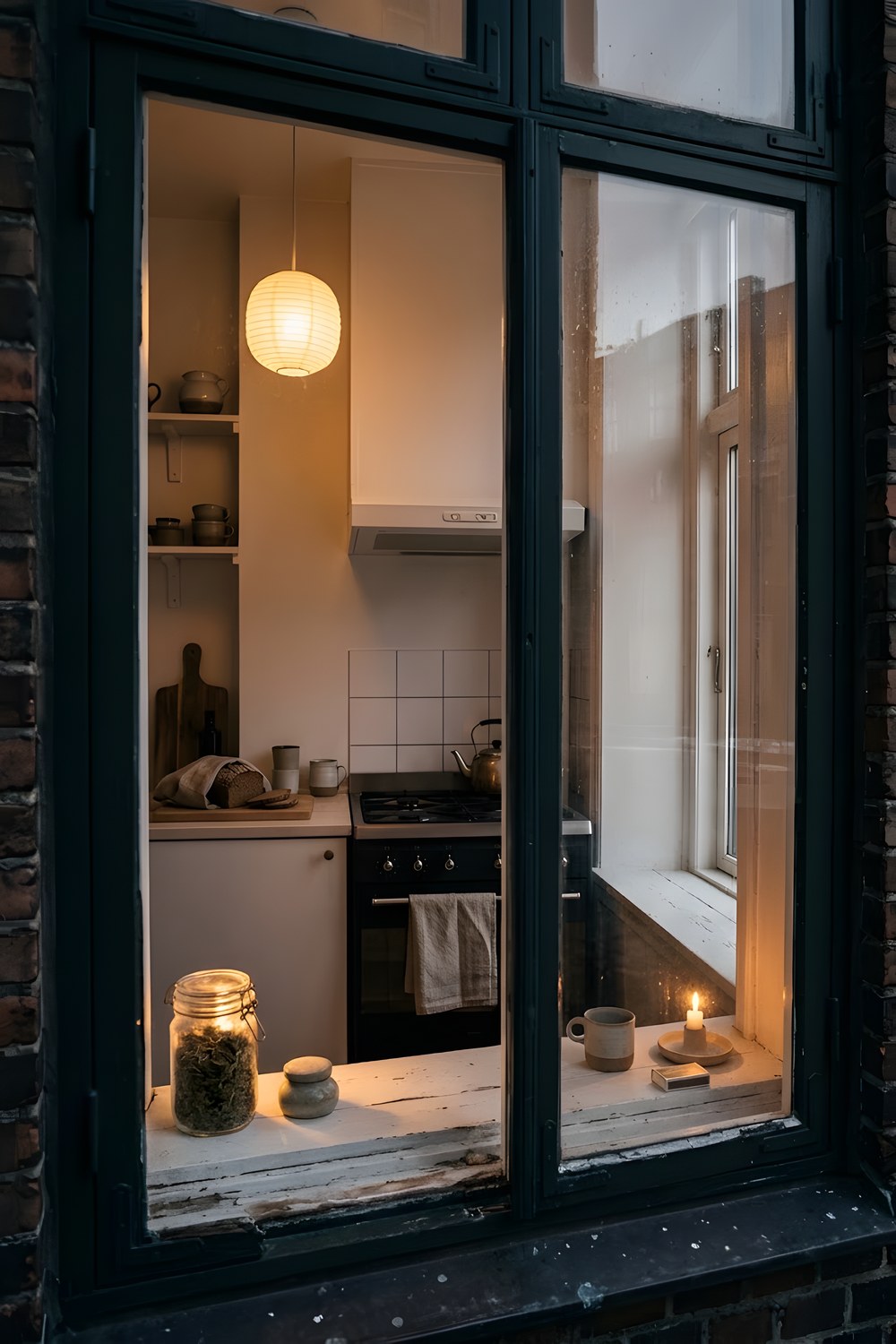
In a flat with two rings on the stove and one shelf in the bathroom, the driest air is often right by the cooker, especially once the oven runs for a roast or a loaf through the colder months. Keeping a jar of something shea based on the windowsill, near where the last light lands at dusk, is as much about remembering to use it as anything else. The minute right after washing hands or showering is when skin holds onto moisture best, since it is already slightly damp. Applying something occlusive in that window matters more than which specific product does it. As the season turns, that small routine, done at the sink or by the stove, tends to matter more than any single ingredient.