Why a glass of cold water tastes better with the right ice
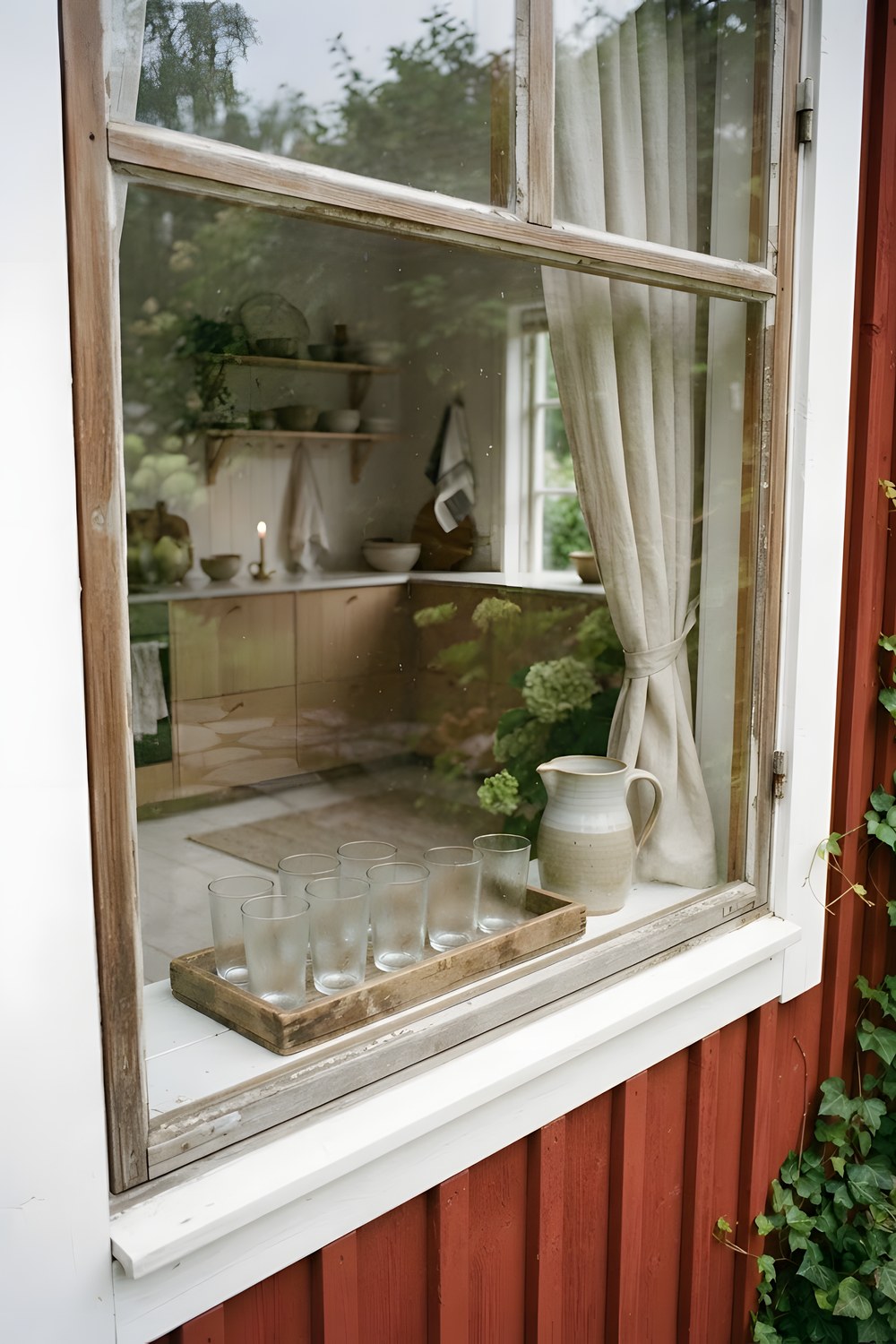
The habit of filling a pitcher and setting out a tray of glasses is older than refrigeration, and the reason people still reach for extra ice on a warm afternoon has to do with more than temperature.
The habit of pouring before you are thirsty
A pitcher on a windowsill, glasses lined up and waiting: this is a small ritual most households keep without thinking about why. Water poured ahead of time and left to sit near a cool pane of glass loses a few degrees before anyone touches it. People fill glasses before they are thirsty because thirst is a lagging signal. By the time the body asks for water, mild dehydration has usually already started. Setting out a tray is a way of building in a reminder that does not depend on remembering.
Why the ice matters as much as the water
Cold water is absorbed a little more slowly than room temperature water, which is one reason it feels more refreshing over a longer stretch rather than all at once. But the texture of the ice changes the experience too. Dense, clear cubes melt slowly and dilute a drink gradually. Softer, more porous ice melts faster and chills a glass quickly without watering it down as much in the first few minutes, which is why it gets chewed rather than just sipped. That habit of chewing ice is not simply restlessness. Softer ice requires less bite force and less risk to tooth enamel than hard cube ice, so people who already chew ice tend to gravitate toward it once they notice the difference.
A small daily fix
None of this requires a special occasion. A midday glass by a kitchen window, condensation forming on the outside, is really a small piece of maintenance: a habit that keeps the body ahead of a need it is slow to announce on its own. The pitcher and the tray are just the tools that make the habit easy to repeat.