How to place low garden light so it survives the winter
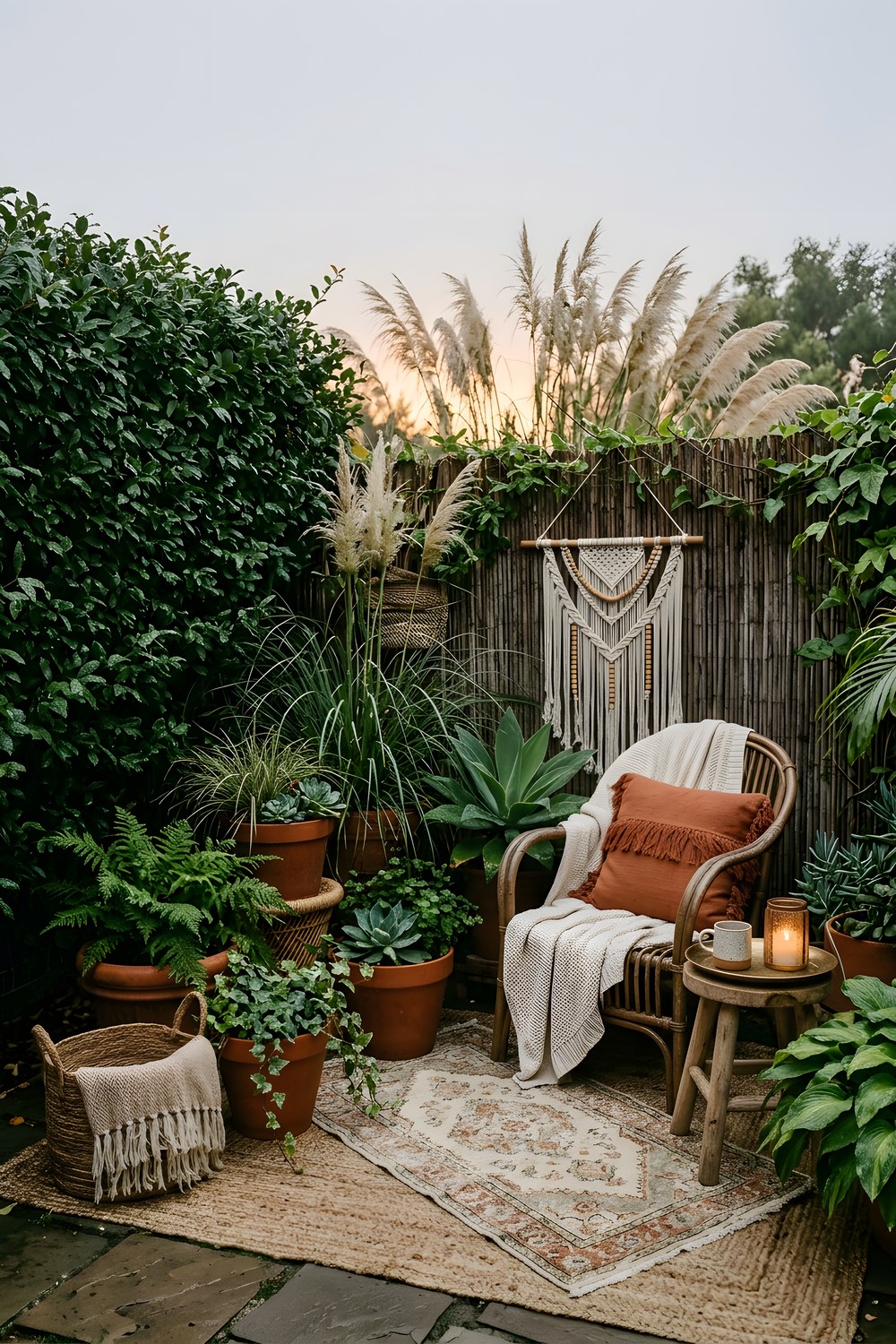
A hedge corner lit before sunrise looks effortless, but the placement, the angle and the weatherproofing behind it are not accidental. Here is how it actually gets done.
Reading the light before you place anything
The first useful step happens with no tools at all. Stand in the garden corner at dusk for two or three evenings and watch where the last light lingers and where shadow settles first. Low light placed where morning sun already pools will look washed out and pointless. Low light placed in the spot that goes dark earliest earns its keep, especially near cane fencing or a stand of pampas grass where the stems catch a soft glow and throw long shadows.
Setting it so it lasts
Most small solar fixtures fail for one of two boring reasons: water sitting in the base, or a panel angled wrong for the season. Push each stake in at a slight lean away from vertical, angled toward where the sun actually sits in winter, which is lower and further south than in summer. Tamp the soil firmly around the stake so freeze and thaw do not work it loose. Where the ground is clay heavy, as it often is near a hedge line, set a thin layer of gravel under the base so water drains instead of pooling against the seal. Check the seam where the globe meets the stake; that is where cheap units let moisture in first, and moisture is what kills a battery over a hard winter, not cold on its own.
Spacing and restraint
Resist the urge to line them up. Cluster two or three near the densest planting and leave the rest of the corner dark. A garden lit evenly looks like an airport runway; a garden lit unevenly looks like something grew there on its own. Terracotta pots and jute textiles nearby will hold warmth and light differently than bare soil, so test the arrangement after dark before committing to a final spot, and expect to move things once after the first frost tells you where the cold actually settles.