How to turn a patch of lawn into a place to practice a swing
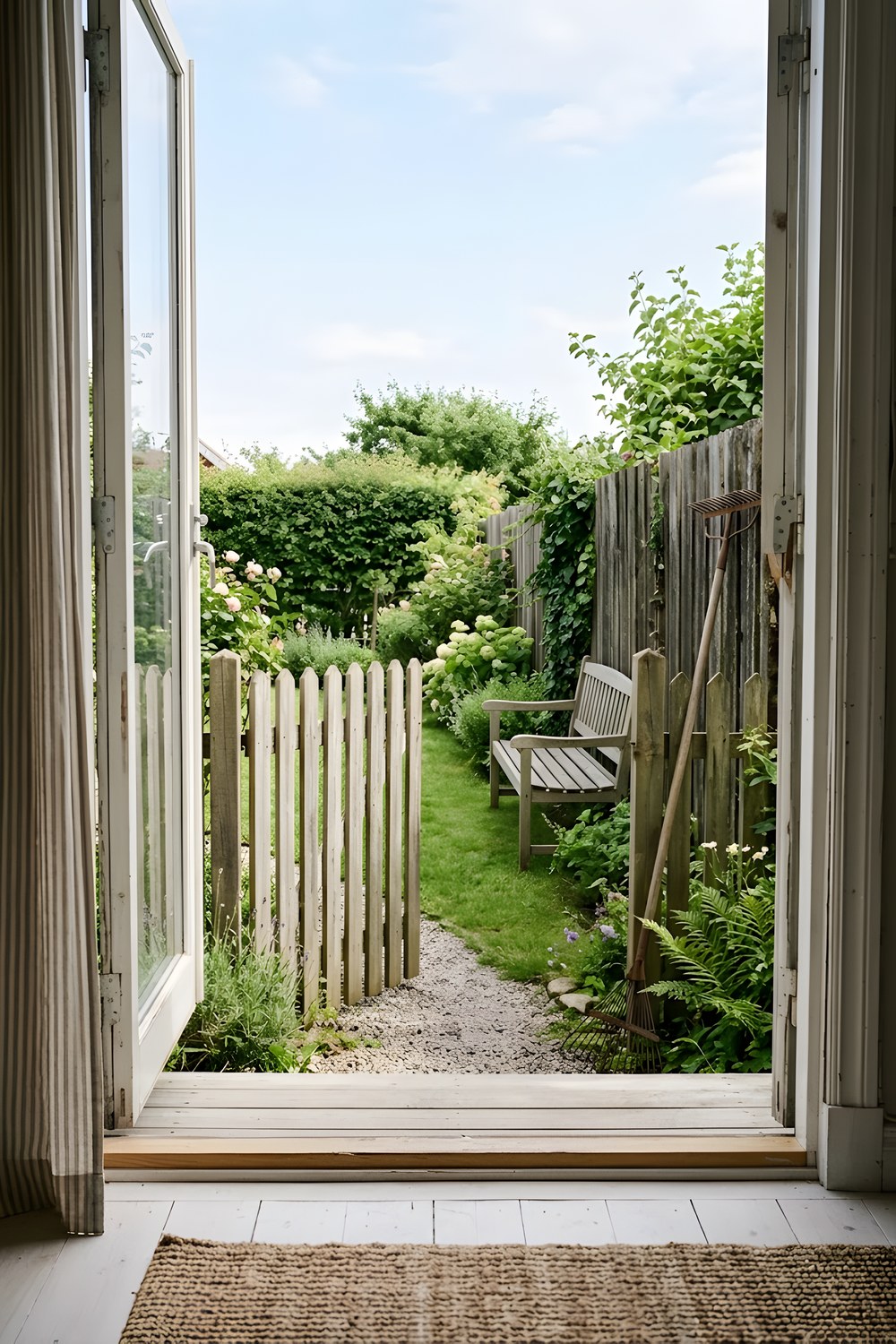
A short strip of grass and a fence can become a real practice spot in one afternoon. Here is how someone actually sets it up.
Read the yard before you buy anything
Most gardens have one stretch that already wants this job: level ground, a fence or hedge at the far end to catch stray shots, and enough clearance overhead so nothing arcs into a neighbor’s window. Walk the space and measure it in paces before deciding where the target end will sit, since moving heavy netting after the fact is no one’s idea of a good Saturday.
Anchor it so it survives a season
A freestanding frame only earns its keep if it stays put through wind and repeated impact. Stake or weight the base first, then tension the netting evenly across the frame so it does not sag into a loose pocket that swallows balls instead of returning them. A mat set a comfortable stride in front of the net keeps the grass underneath from wearing bare in one obvious spot, which matters if the lawn also has to look presentable for the rest of the household.
Give it a job beyond the first week
What separates a gift that lasts from one that quietly migrates to the shed is whether it fits into an existing routine. Ten minutes before dinner, or the last light of a long evening, is enough if the setup takes seconds rather than a production. Leave the net up through a full week rather than folding it away after each use, and notice whether anyone actually walks out to it on their own. That is the real test, not how it looks the day it arrives.
A note on the space itself
A garden that already has a bench along the fence and a rake leaning nearby is a garden already organized around small daily tasks. Practice equipment fits that same rhythm better than anything meant for a single big occasion, because it asks for five minutes at a time rather than a whole afternoon set aside for it.