How to build a corner of the garage for after dark practice
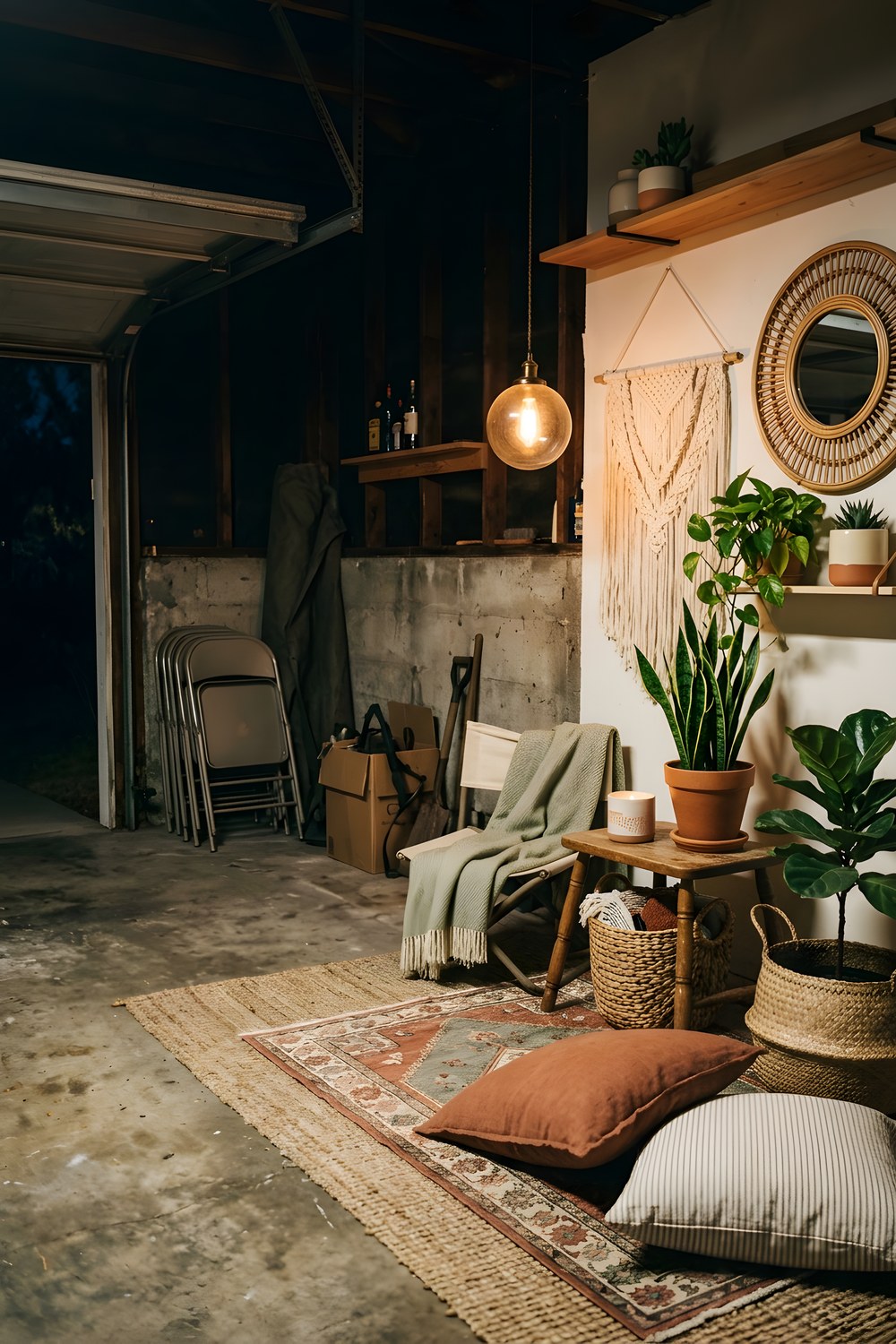
A single lamp and a cleared patch of concrete can turn ten unused minutes after dinner into a real habit. Here is how people actually set that corner up.
Clear a lane before you buy anything
Most garages lose their open floor to folding chairs, a rolled tarp, and whatever got shoved aside during the last move. Before adding equipment, walk the space and measure the longest clear stretch you have, wall to wall. Ten feet of depth is usually enough. If chairs and tarps are in the way, stack them against one wall rather than storing them flat, since a flat pile creeps outward over a few weeks and eats the lane again.
Light it so the eye can actually track
A single hanging lamp, aimed low and slightly forward, does more for a nighttime routine than overhead garage lighting ever will. Overhead fixtures wash out shadows and make it hard to judge distance in a small space. One bulb angled from the side casts just enough shadow that the eye can follow a swing or a toss without strain. Hang it a bit lower than feels natural at first. It should light the floor in front of you, not the whole room.
Protect the floor and the wall behind it
Concrete takes a beating from repeated impact in one spot, and drywall behind a practice area takes worse. A section of thick rubber matting or an old moving blanket folded double, laid where the impact lands, saves both. It also quiets the sound, which matters if the corner is shared with a bedroom above.
Judge it by the fourth week, not the first
A garage corner set up with enthusiasm on a Saturday afternoon is common. One still in use a month later, with the lamp still on and the mat still down, is rarer. That is the only real test. If by week four the chairs have crept back into the lane, the space was decoration, not routine, and it is worth admitting that early rather than pretending otherwise.