How to dry citrus peel so it actually keeps its scent
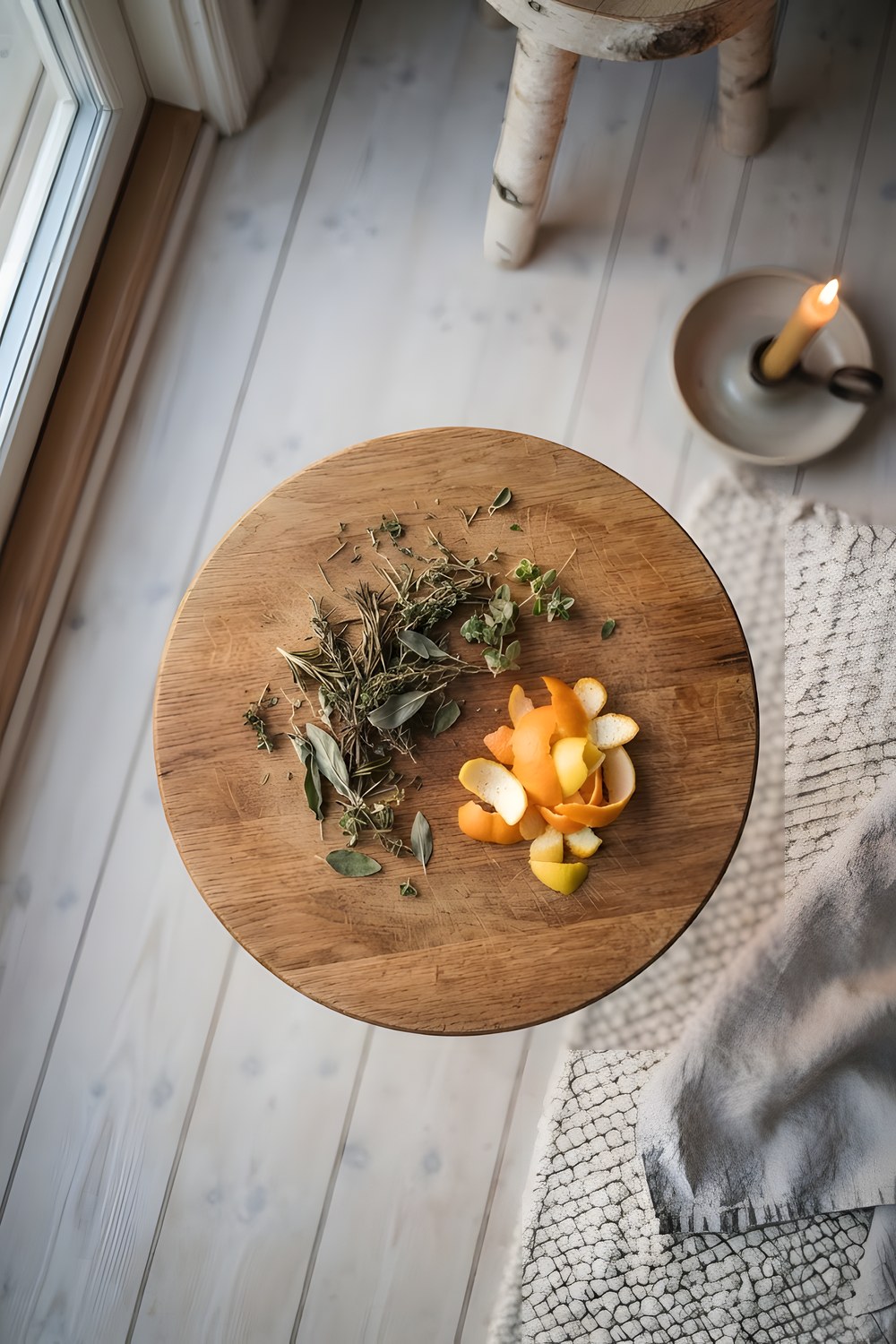
A handful of orange and lemon peel left on a board looks fine at dusk, but most of it will mold before it dries unless it is cut and turned the right way.
Why whole peel fails
A curved piece of citrus peel holds a surprising amount of pith and moisture on its inner side. Left flat on a wooden board, air only reaches the outer, waxy face. The inner face stays damp, and damp peel grows mold within two or three days at normal room humidity, well before it has lost enough water to be shelf stable. This is the most common reason a jar of homemade dried peel turns fuzzy.
The actual steps
Start by removing as much white pith as you can with a small knife, since pith is the part that holds moisture longest and contributes little of the fragrant oil. Cut the peel into strips no wider than a finger. Width matters more than length here, because it sets how far moisture has to travel to escape.
Lay the strips skin side down on a wire rack rather than a solid board, so air moves under and over the peel at the same time. A board looks better in low evening light, but it traps humidity against the wood.
Leave the rack somewhere dry and out of direct sun for three to five days, turning the strips once a day. Peel is ready when it snaps rather than bends. If it still bends, it has not lost enough water and will soften again in a sealed jar.
Storing it
Once brittle, store the peel in a jar with a tight lid, away from the stove. Kept dry, it holds its scent for several months and can go into tea, roasts, or a bowl of dried herbs for the kitchen counter. The dried herbs pictured beside fresh peel are a reminder that both need the same thing: air on all sides, not just a warm spot on a board.