Why cheese and crackers at dusk needs no recipe
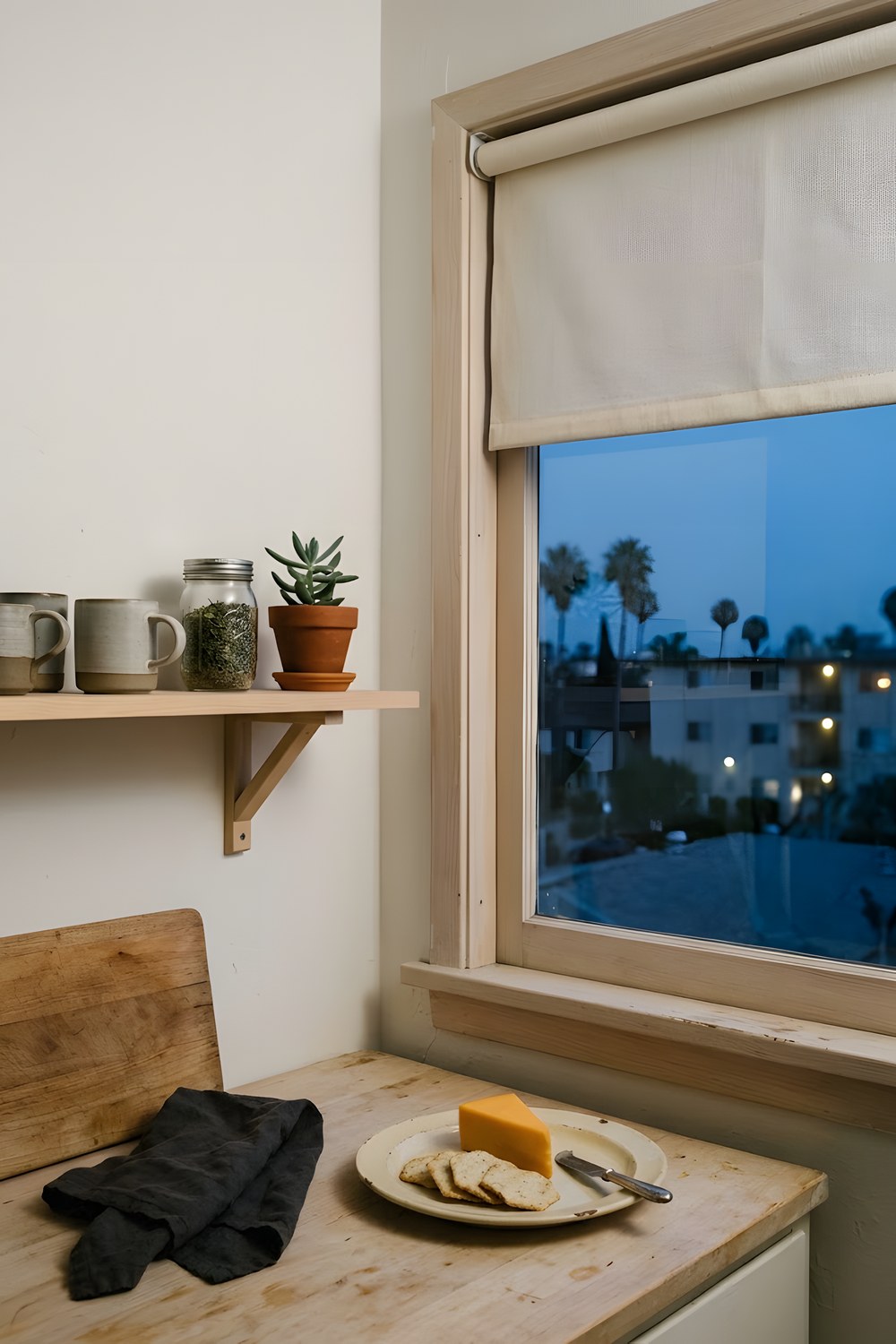
A plate by the window at the end of the day is not laziness. It is the one meal that asks nothing of anyone.
The hour that decides dinner
At dusk the light goes flat and blue before it goes dark, and that particular light seems to lower everyone’s ambition at once. Nobody wants to chop an onion in it. A wedge of cheese and a few crackers on a plate is what happens when hunger meets a kitchen nobody has the energy to properly use, and it works because it asks almost nothing of the person eating or the person who did not cook.
Fat, salt, and a little starch
There is a reason this combination keeps reappearing across cultures that otherwise share nothing: fat carries flavor slowly across the tongue, salt sharpens it, and a plain cracker gives the whole thing something to sit on without competing. A hard cheese, aged and dense, needs only warmth to soften at the edges, no cooking at all. A softer one spreads by itself under a knife. Neither requires a stove, which matters more than it sounds like it should at the end of a long day, in a kitchen with two rings and not much patience left for either of them.
Restraint as the whole method
What makes the plate satisfying is not variety. It is the opposite. One cheese, one cracker, maybe a few nuts or a bit of fruit pushed to the side, is enough because the point is contrast, not abundance: the give of the cheese against the snap of the cracker, the plainness of the wood or ceramic underneath doing nothing to distract from either. A chipped plate suits this kind of eating better than a new one would, because nothing about it asks to be looked at, only used.
This is not a recipe so much as a permission. Some evenings the honest meal is the one that takes four minutes and does not pretend to be more than it is.