The stacked books never get read, and here is why
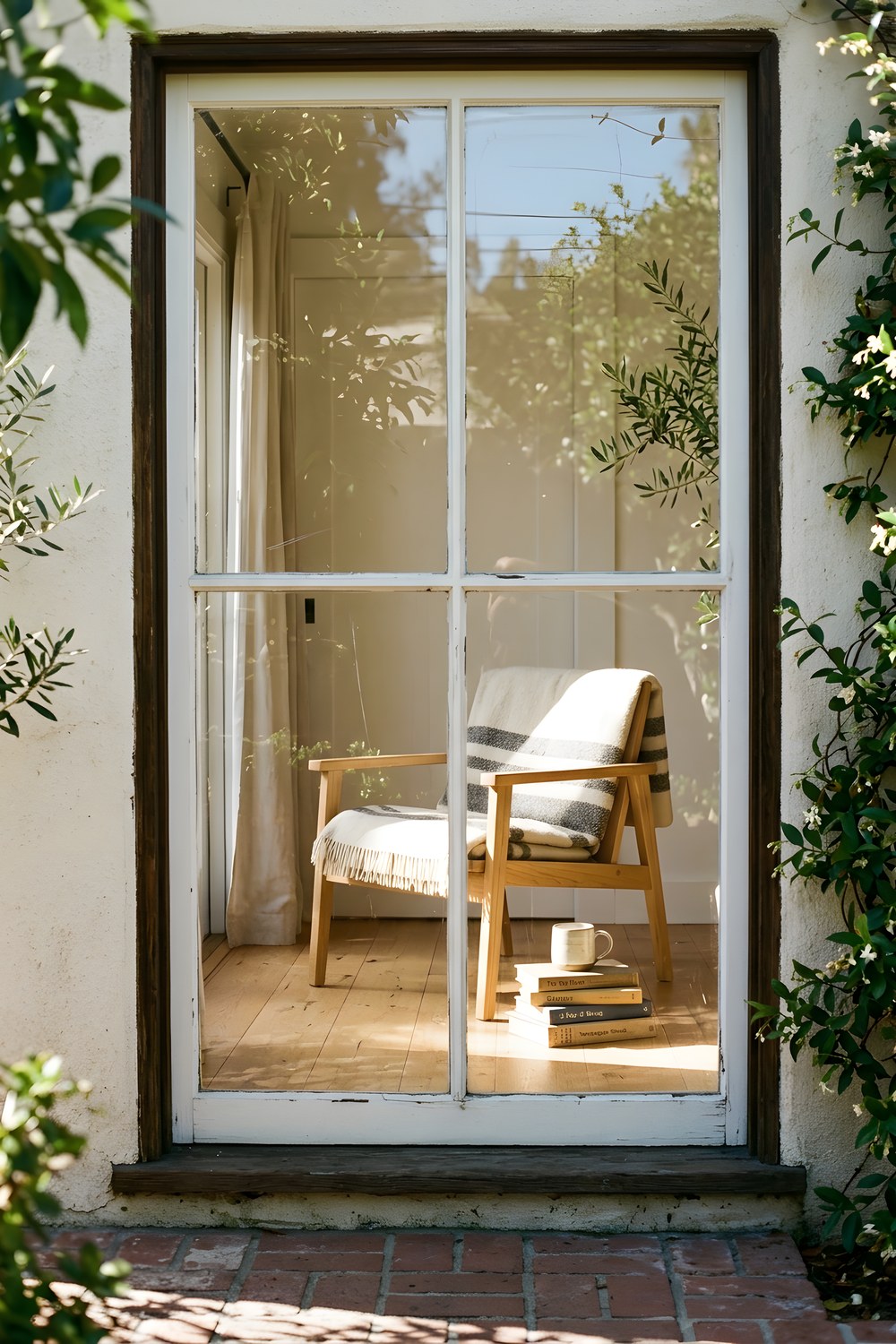
A chair by a window with a pile of books nearby looks like a reading habit. It usually is not one.
The pile is a monument, not a plan
A stack of books beside a chair signals intention more than it signals use. Publishers size a paperback to be held one handed for long stretches; a stack of eight titles cannot be held at all. People choose the stack because it photographs well and because deciding on one book feels like closing a door on the others. The fix is not more books. It is fewer, staged in a way that a body will actually pick up.
What usually goes wrong
The common error is treating a reading spot as a display shelf. Books get chosen for their spines, not their opening chapters, and end up read in the first twenty pages before being replaced by the next spine. A second error is light. Morning sun through a window is strong enough to read fine print by, but it moves fast, and a chair angled for a photograph is rarely angled for the hour a person actually sits down, usually evening.
What to do instead
Keep one book on the seat or arm of the chair, not a stack on the floor. Choose it by length: something under three hundred pages finishes inside a week of ordinary evenings, which matters more than any list of qualities the book might have, since a book left unfinished after a month stops being read at all. Trade positions matter too. A chair that faces a window loses its light by late afternoon; one angled ninety degrees from the glass keeps usable brightness longer and avoids glare on the page. A folded blanket nearby is not decoration, it is a signal that the chair gets used after the sun that made the photograph has already left the room. None of this requires new furniture. It requires moving what is already there by a few degrees and taking seven books off the stack.