Why a lit candle makes a cold room feel warmer than it is
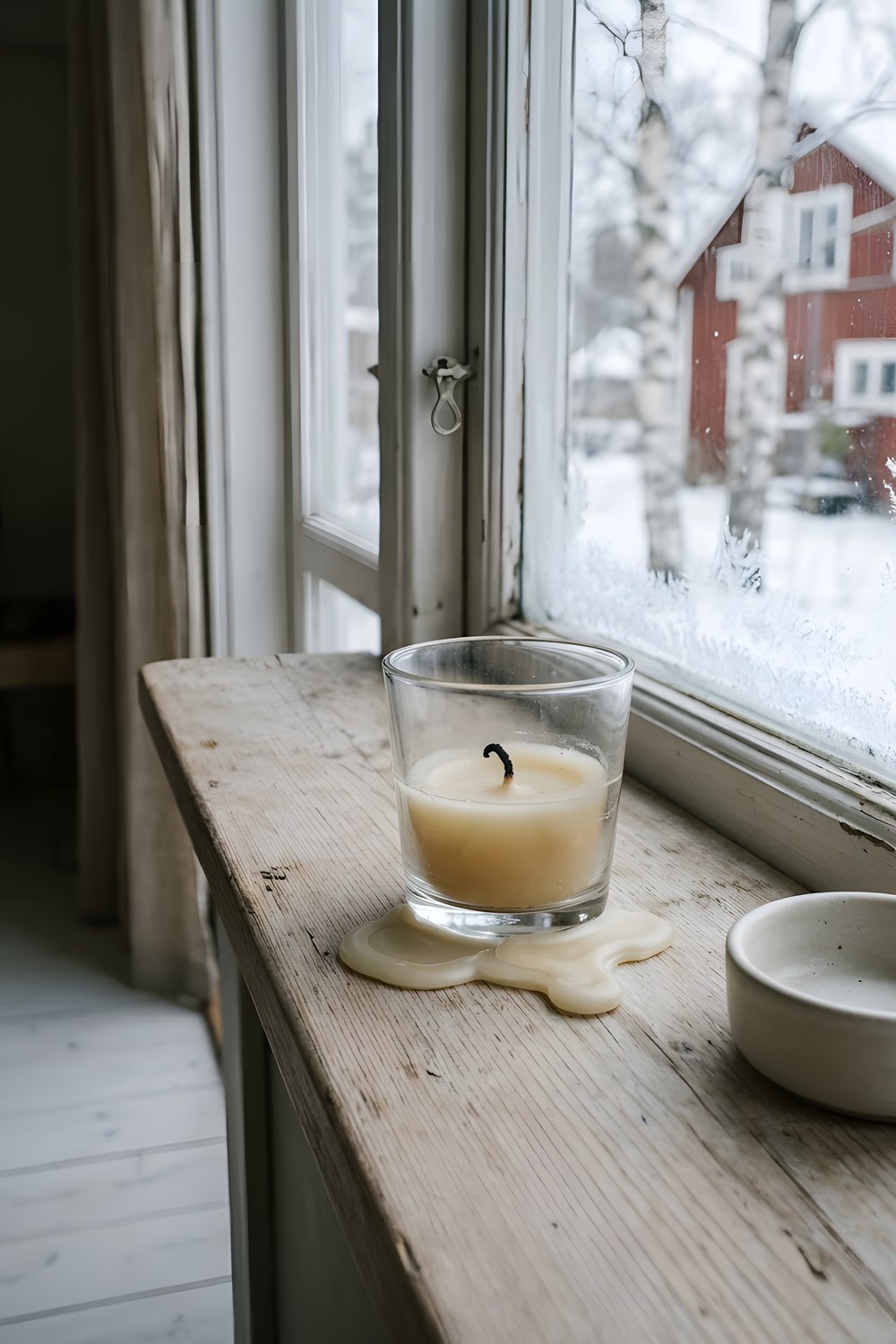
A small flame does something a thermostat cannot, and the reason has more to do with your eyes than your skin.
The light your eyes trust
A candle burning on a windowsill in early morning does not raise the temperature of a room in any measurable way. One flame gives off roughly as much heat as a sleeping cat. Yet a room with a candle in it reads as warmer to the people inside it. The explanation sits in the eye, not the skin.
Human vision evolved around firelight for longer than it has known electric bulbs. A flame’s color hovers around 1800 Kelvin, a deep amber that the brain has filed under safety and rest since long before written history. Overhead LED light, by contrast, often sits near 4000 Kelvin, a blue white shade closer to daylight, which keeps the body alert rather than settled. Swap one light source for the other and the nervous system responds before conscious thought catches up.
Movement the mind cannot ignore
The second part of the trick is motion. A candle flame never holds still. It bends with drafts too faint to feel, narrows, widens, leans. Psychologists who study attention call this kind of gentle, unpredictable movement a fractal pattern, the same category as waves or drifting smoke. The eye tracks it without effort, which is a different kind of rest than staring at a fixed point. A ceiling light gives the mind nothing to follow. A candle gives it just enough.
Why it earns a place on a shelf
This is also why a candle survives as a gift long after novelty items get pushed to a drawer. It asks nothing of the room’s wiring, fits any window ledge, and gets used on the specific evenings someone wants to slow down, not just once out of politeness. That kind of narrow, repeatable use is a fair test for anything given as a gift. Most objects fail it within a season. A candle, lit for twenty quiet minutes here and there, tends to pass.