How to choose a book of essays worth keeping on a shelf
A collection built from short standalone pieces asks to be judged by different rules than a novel. Here is what separates one that earns its place from one that does not.
Length and structure tell you what kind of reading it wants
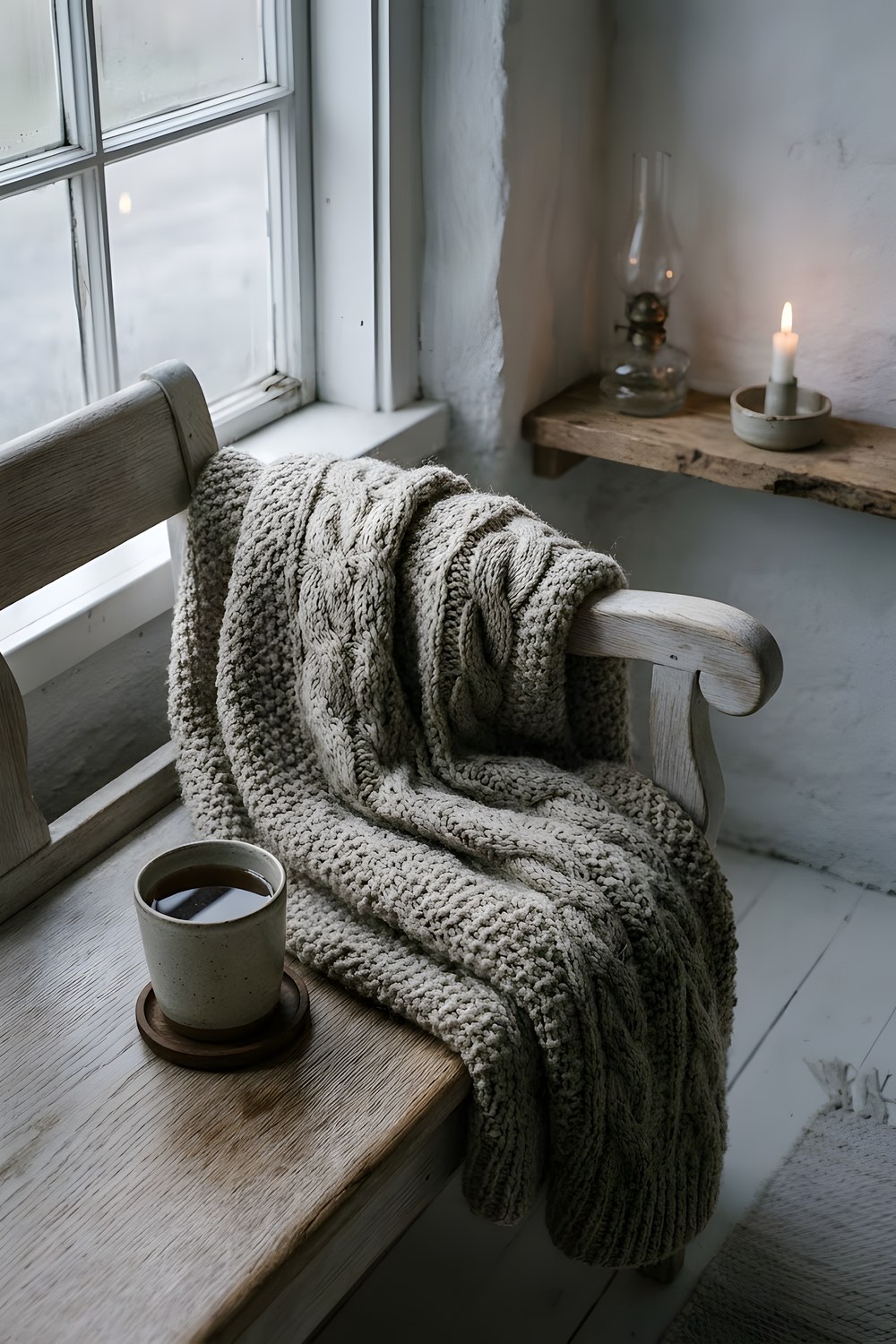
An essay collection usually gathers pieces of uneven length, often written across different years and for different purposes, then bound under one theme. A paperback edition running past four hundred pages, made up of many short entries rather than a dozen long ones, signals something specific: it is built for picking up and putting down, not for a single sitting. That structure suits a bench by a cold window better than a desk. Before judging the content, notice whether the physical shape of the book matches the way you actually read in the morning, five minutes at a time, cup going lukewarm, house still quiet.
A good one earns its claims, a poor one just states them
The difference between a strong essay and a weak one rarely comes down to subject. It comes down to whether a claim is followed by reasoning a reader could argue with, or simply asserted and left to stand on tone alone. Weak collections lean on repetition: the same idea about self worth or letting go, restated in new phrasing across forty pieces, so the book feels padded rather than developed. A strong collection varies its angle, sometimes contradicting an earlier essay outright, because the writer trusts the reader to hold complexity rather than needing a single consistent message.
Read the first and last essay before anything else
Publishers often front load a collection with its most quotable piece, so the middle can sag without a browser noticing. A more honest test is to read the opening essay and the closing one. If the closing piece still has something to say, has not simply restated the opening in softer words, the collection was edited with care rather than assembled to hit a page count. That small check, done standing in a quiet kitchen before the rest of the house wakes, tells a reader more than any cover description ever will.