The closet nook everyone leaves empty, and why that fails by March
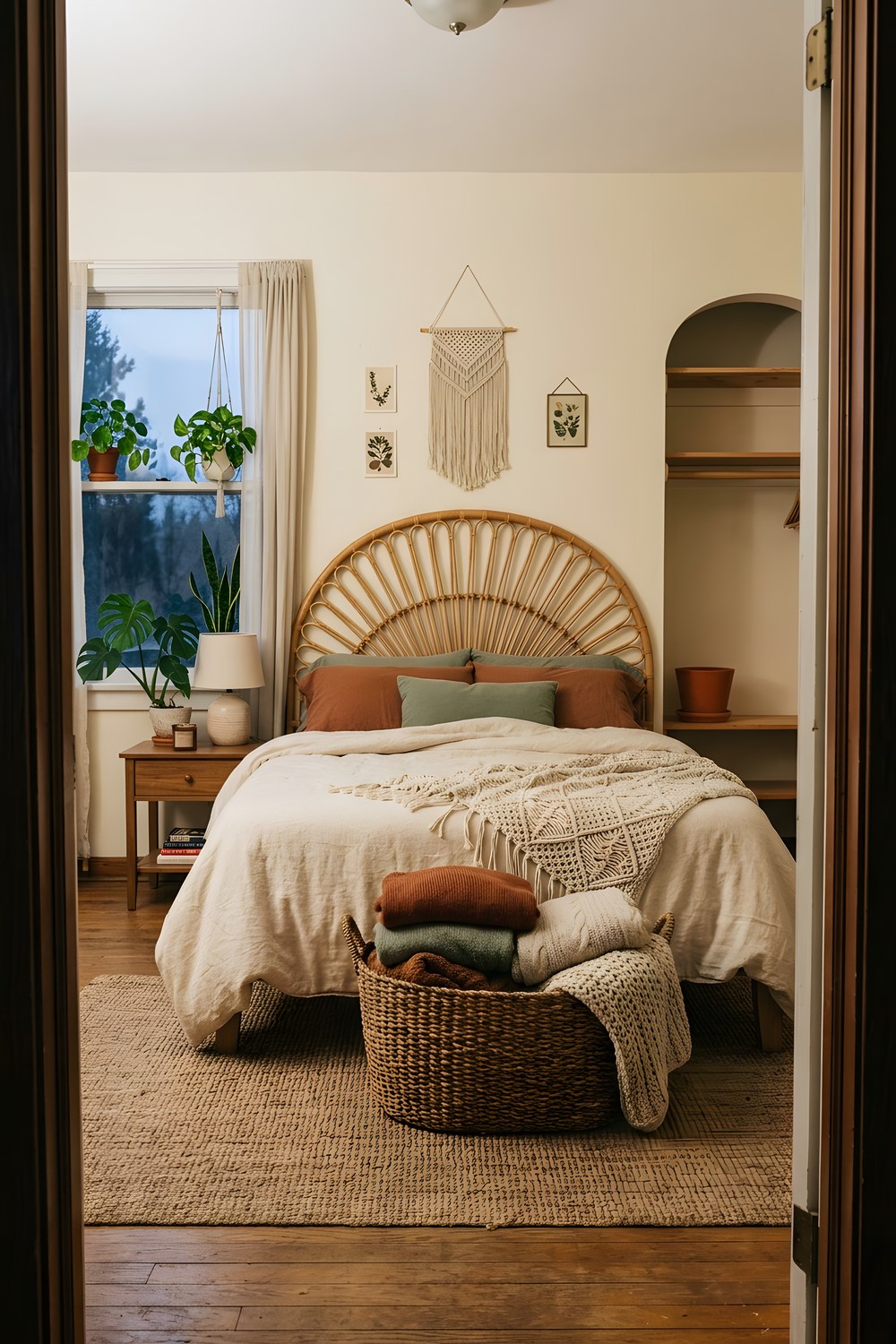
An empty shelf looks finished the day you build it. Six months later it usually is not.
What usually goes wrong
An open shelving nook photographs beautifully bare. That is exactly the trouble. Bare shelves invite loose piling, sweaters stacked flat until the stack leans, folded jeans that slide sideways the first time someone grabs from the bottom. Within a season the neat cube of shelving becomes a wall of soft edges and slumping fabric, because knit and denim do not hold their own shape the way a folded shirt on a store table does, under gravity and daily handling, they slump.
The basket at the foot of a bed has the opposite problem. It is honest about being loose storage, but it has no divisions, so a week of laundry becomes one undifferentiated pile, and finding the one gray sweater means unpacking the whole basket onto the floor first.
What to do instead
Shelves this size, usually thirty to forty centimeters deep, do better with contained units inside them rather than loose stacks. A rigid or semi rigid box with its own footprint stops the slump, because the fabric is held by four sides instead of by the sweater beneath it. Divided storage also turns one shelf into several zones instead of one pile, so a search for a single item does not require unpacking the rest.
The test worth applying before filling any open nook is simple: pull one item from the middle of a stack without disturbing what is above or below it. If that is not possible, the shelf will look tidy for photographs and messy by the second week of real use.
The quieter fix
Woven texture, rattan and jute included, reads as warm because it has visible structure, not because it is empty. The same logic applies inside a closet. Structure, even hidden structure, is what keeps a warm room looking warm instead of merely looking cluttered.