How to choose a stake light that survives its first winter
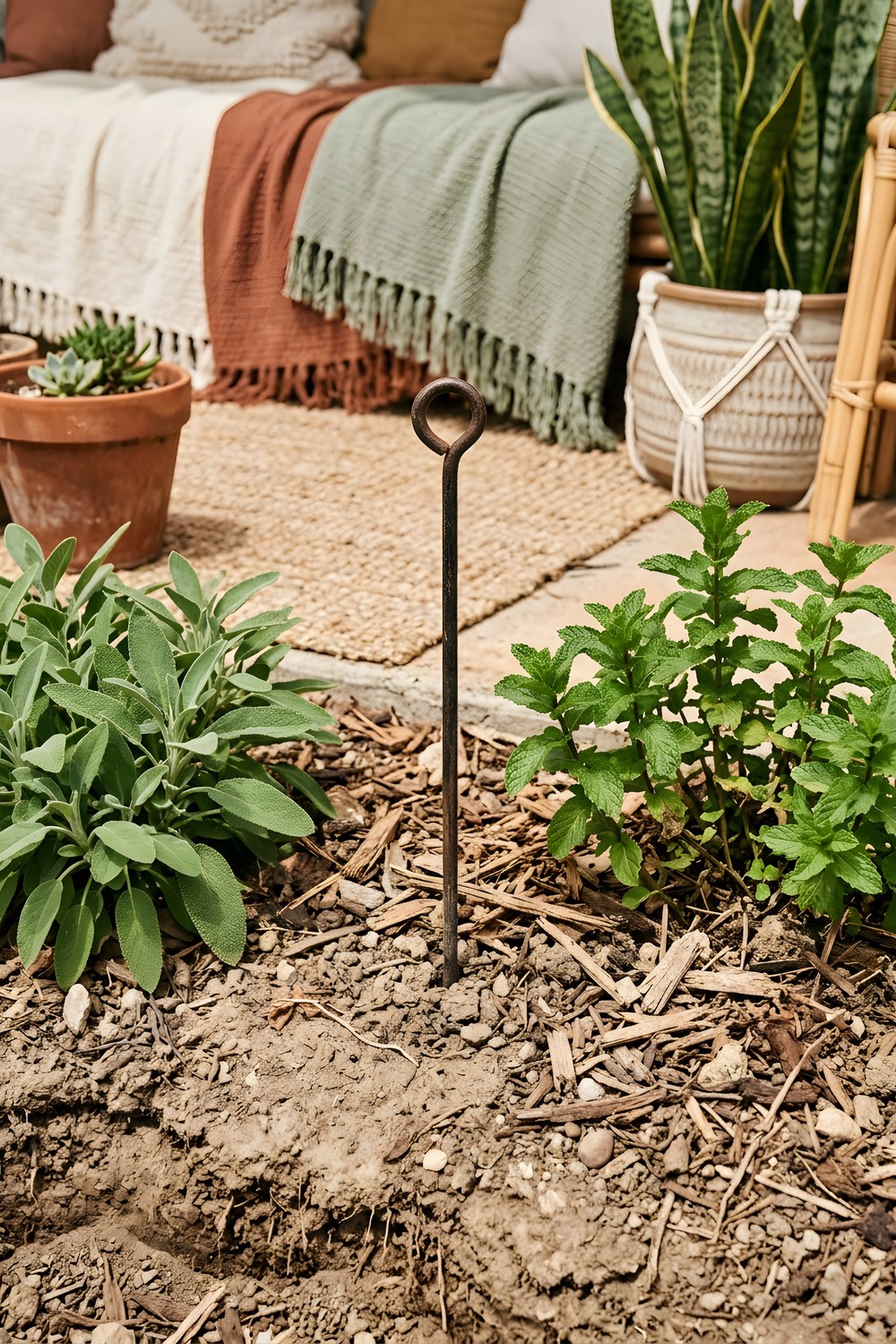
A ground stake pushed into a flower bed looks like the least of your worries, but it is usually the first thing to fail. Here is what separates a stake that lasts three seasons from one that snaps by spring.
The stake matters more than the globe
Most buyers judge these fixtures by the glass or plastic sphere on top, since that is the part that catches light and the part shown in every photograph. But the sphere rarely fails first. The thin metal rod pushed into the soil does. Cheap versions use a wire so slender it flexes sideways in wind and works loose within weeks. A better stake is thick enough that you feel real resistance when you press it into the ground, and it should not bend when it meets a root or a stone, which it eventually will.
Watch what happens where metal meets plastic
The weak point on almost every one of these lights is the joint where the metal stake meets the plastic housing above it. Water collects there, sits against the seam through freeze and thaw, and over a season or two that repeated expansion cracks the plastic or corrodes the metal. A stake with a wider collar at that joint, or one that overlaps the housing instead of butting against it, sheds water instead of holding it. Run a finger around that seam before deciding, if you can. A rough or exposed edge tells you where the failure will start.
Soil type changes everything
Sandy soil holds a stake poorly no matter how well built the light is, and it will lean within a month unless pushed in deeper than seems necessary. Clay soil, especially where mulch is layered thick as it often is at a bed’s edge, holds firmly but also holds moisture against the stake longer after rain, which speeds up any weak seam. Placing a light directly in loose mulch rather than into packed soil looks tidy in early autumn but leaves the stake with almost nothing to grip once the mulch settles or scatters in a hard wind. Firm soil contact, not just a stake that looks planted, is what carries a light through to spring.