How to choose a backyard practice net that earns its keep
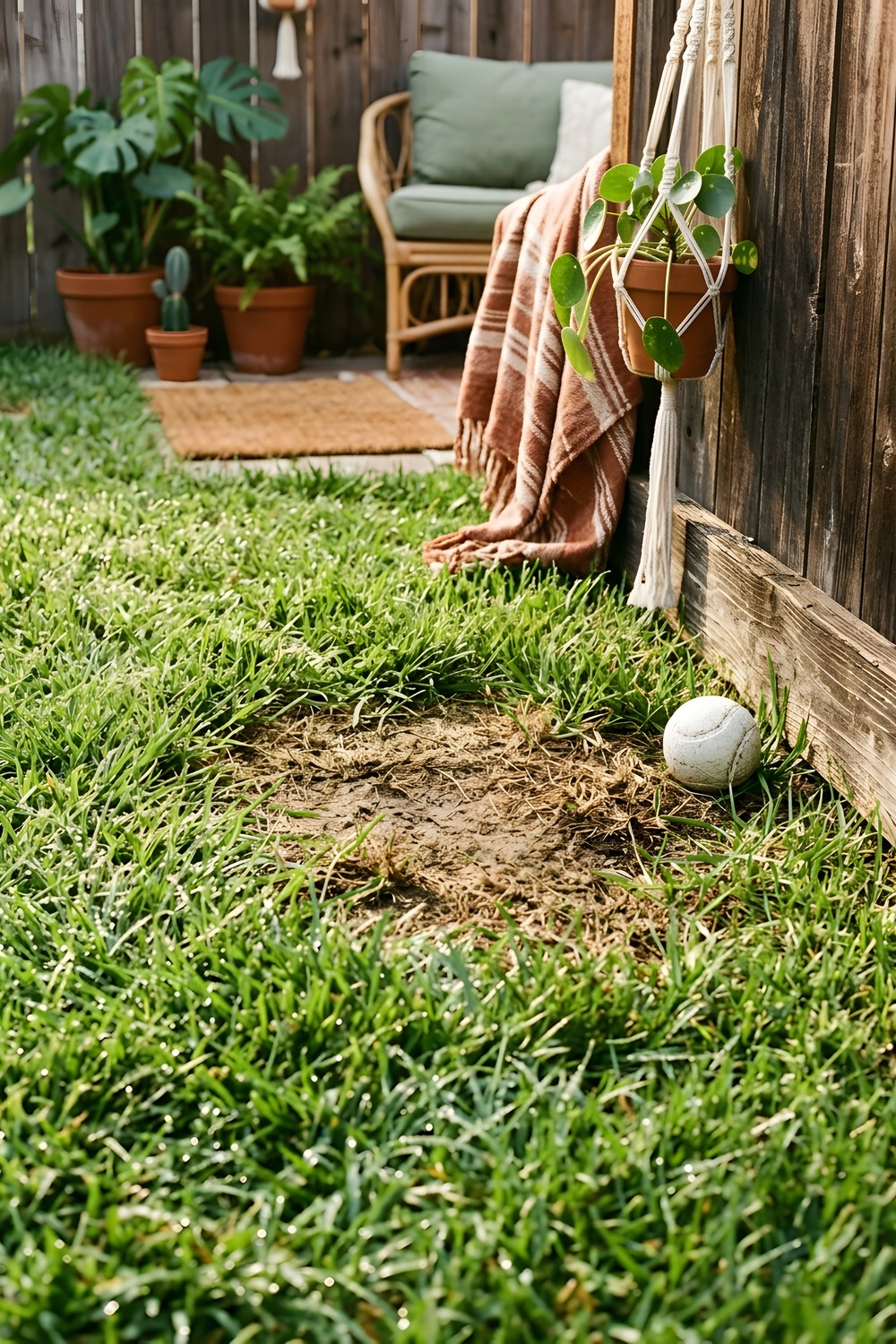
A worn patch of lawn and a stray ball tell you something about how a gift gets used. Here is what separates a net someone folds up and forgets from one that stays out all season.
What the bare spot in the grass tells you
A scuffed patch near a fence line is not a sign of neglect. It usually marks the one spot in a yard flat enough, and far enough from windows, for someone to swing without worry. A good practice net is built for that exact spot: a footprint under ten feet wide, corner stakes that hold in ordinary turf, and a frame that goes up without a manual. If assembly takes longer than the first practice session, the net tends to end up in the garage by the second weekend.
The parts that actually wear out
Most of these nets fail in one of two places, not the whole frame. The netting itself, where a season of range balls finally opens a seam, and the base or mat underneath, which either grips the ground or slides a few inches with every solid hit. Before anything else, check what the mat is made of and whether the net has a target sewn into the weave rather than painted or printed. Paint fades within weeks in direct sun; a woven target does not. Weight matters too: something light enough to carry to the yard in one trip is also light enough to blow over in a September wind, so look for stakes or sandbag loops rather than trusting the frame alone.
Why it survives past the first week
The honest test of a gift like this is not the unwrapping, it is whether the grass under it is still bare in November. A net that folds flat in under a minute gets used on ordinary weeknights, ten minutes before dinner, because putting it away is no chore. One that takes real effort to break down quietly stops coming out at all. Charming in the driveway is not the same as useful in daily rotation, and only one of those two things earns a permanent spot by the fence.